Alpha3D
Cloud image and text to 3D with a mandatory cleanup pass, three polygon density tiers and quad output from the Basic plan upward.
Deemos' AI 3D generator focused on high resolution quad geometry and PBR textures from text or multi image input.
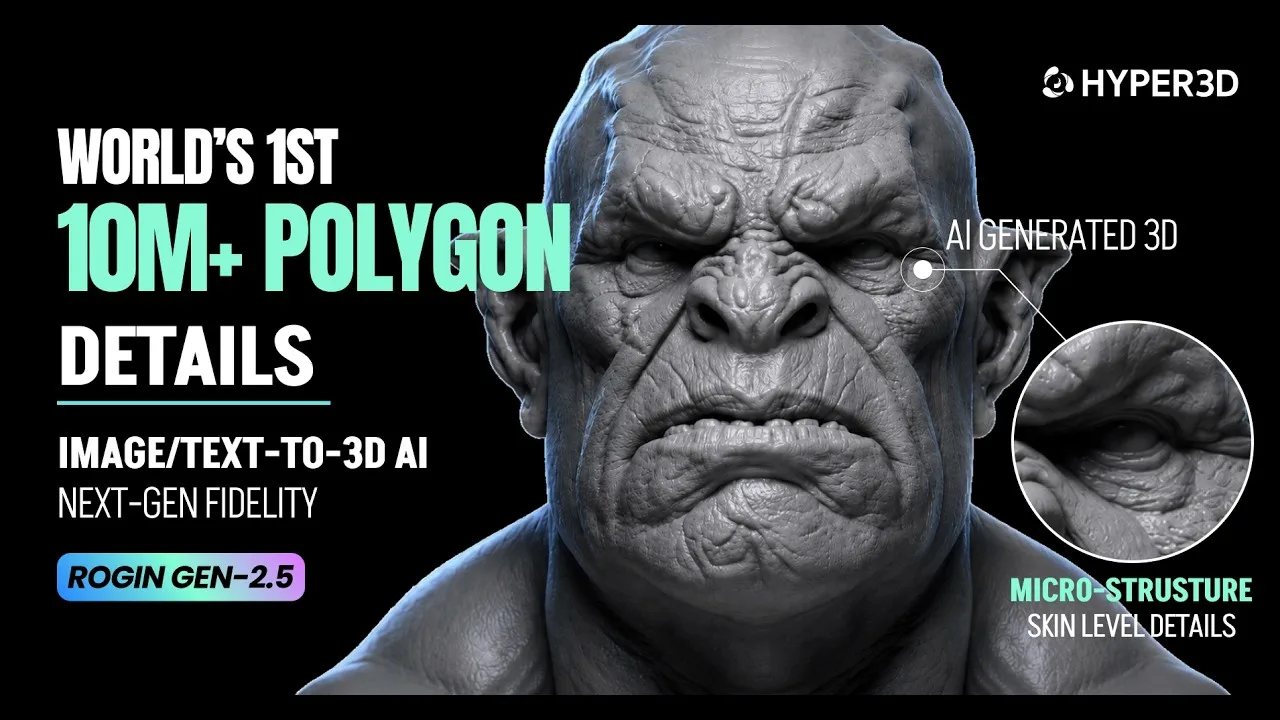
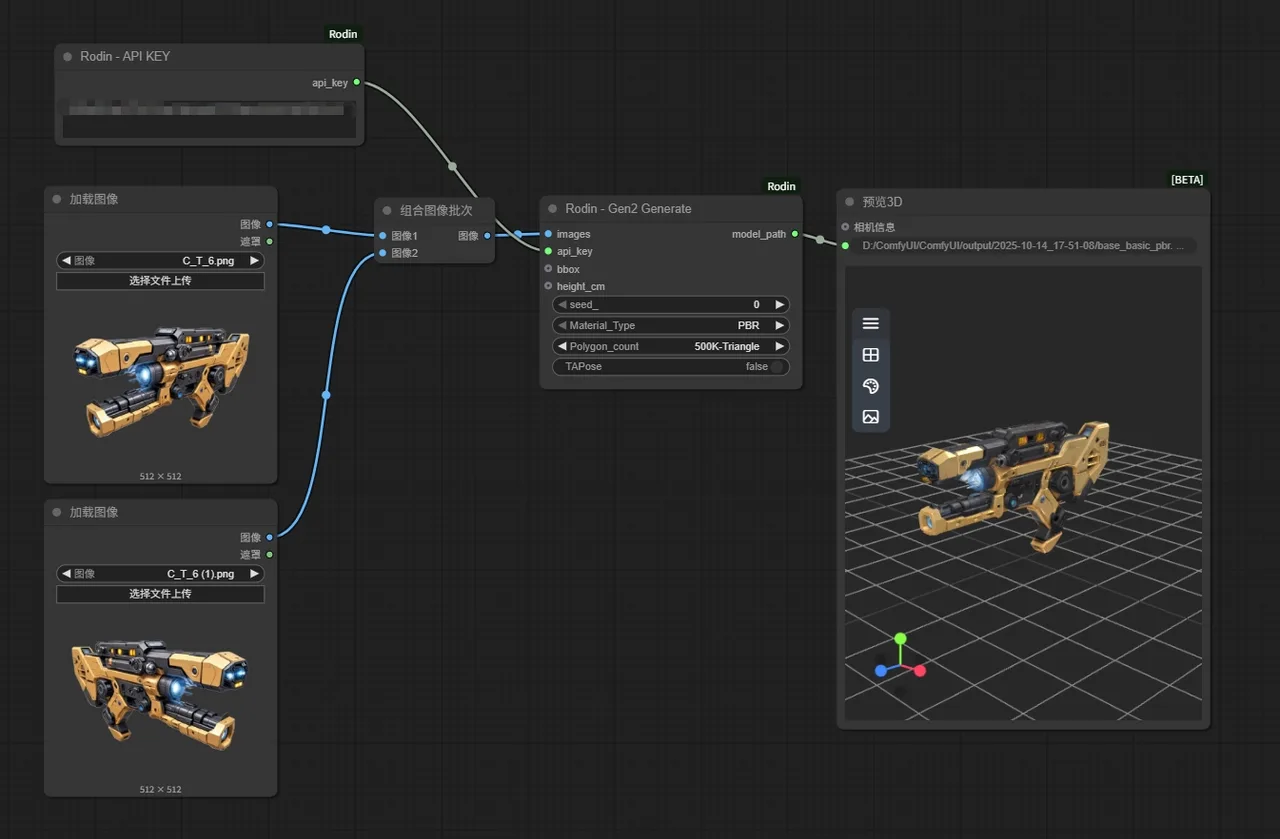
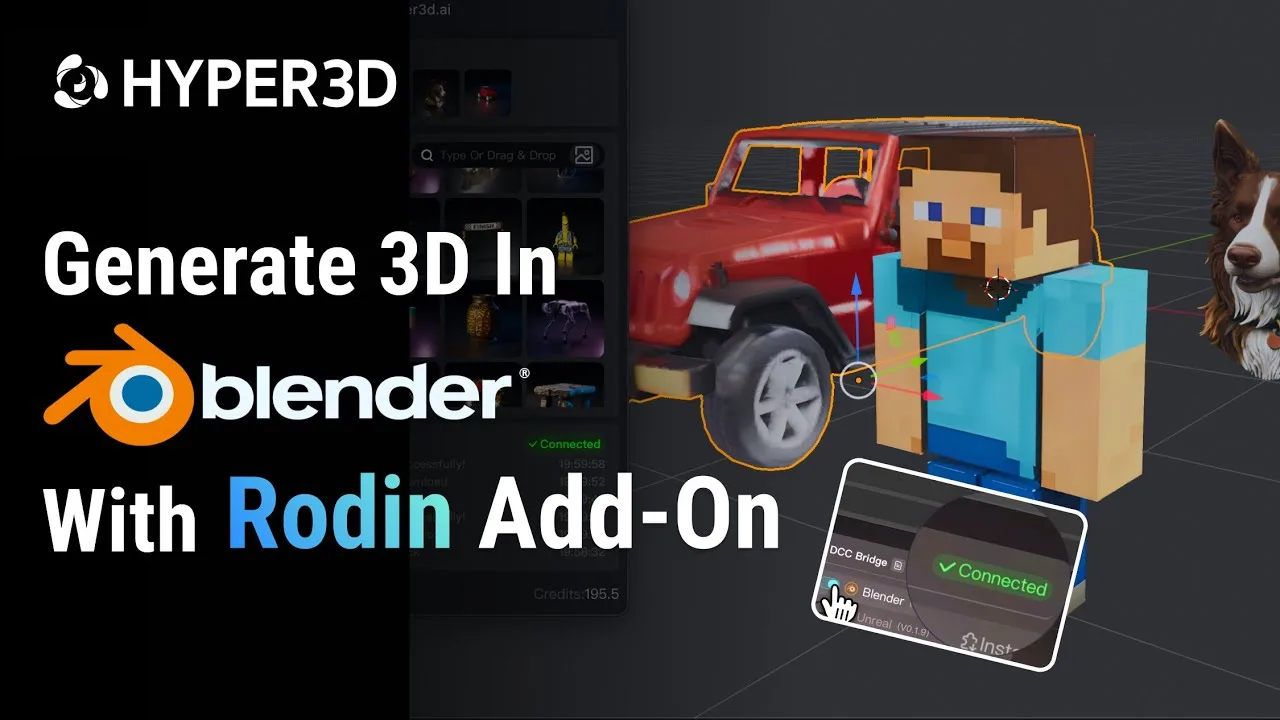

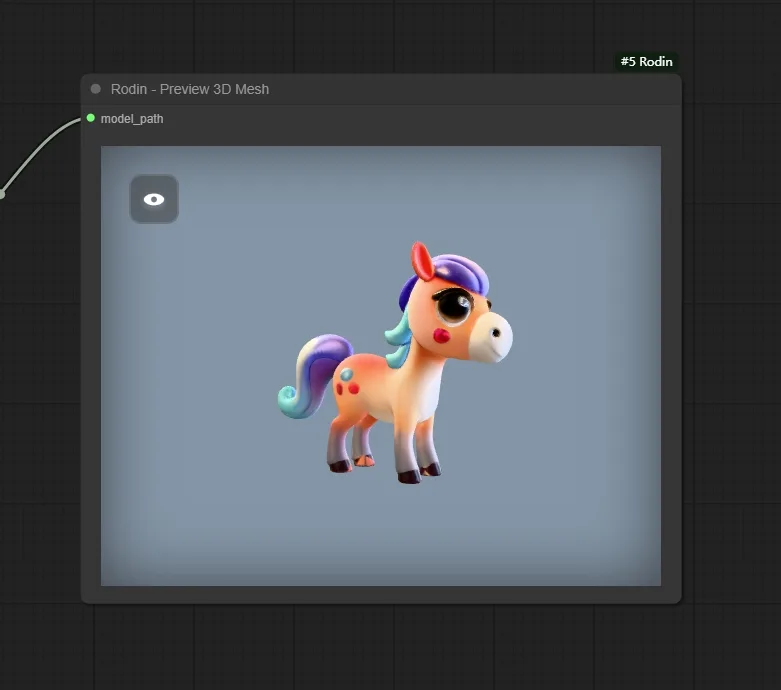
Rodin is the generative 3D engine of the Hyper3D platform, built by Deemos, a company spun out of ShanghaiTech University in 2020 that first made its name in film grade facial scanning (its Dome Light Field rig produced digital doubles for The Wandering Earth 2). That research heritage shows: Rodin is a native 3D diffusion model based on the CLAY architecture, which earned a Best Paper Honorable Mention at SIGGRAPH 2024, and it leads the category on geometric fidelity, quad topology output and material quality rather than speed. The Gen-2.5 release pushed generation past ten million polygons with 3D native texturing. The notable trade offs are the absence of built in auto rigging and premium per model costs. Deemos licenses training data commercially, including a Shutterstock 3D asset agreement, and sponsors the Blender Development Fund at Gold level.
Built on the CLAY architecture (SIGGRAPH 2024 Best Paper Honorable Mention), generating directly in 3D space rather than projecting 2D views, which avoids the classic multi face artifacts of earlier AI generators.
Outputs artist style quad meshes reconstructed face by face, with selectable density caps such as 18,000 or 50,000 quads, plus an option to force T pose or A pose on characters for downstream rigging.
Gen-2.5's Extreme-High setting generates dense sculpt level geometry that keeps pores, grooves and fabric weave, acting like a RAW file for sculptors to refine and decimate deliberately.
Albedo, roughness, metallic and normal maps are generated directly on the surface rather than projected from 2D, avoiding seams. Standard tiers export up to 4K textures, with 12K in beta for business plans.
A concat mode treats up to five photos as views of one object for photogrammetry like accuracy, while a fuse mode blends features from different references into one design.
Official add-ons for Blender, Unreal Engine 5, Unity, Godot, NVIDIA Omniverse and ComfyUI generate assets inside the host tool, and a REST API with Model Context Protocol support serves agent pipelines.
Recurring themes across third-party user reviews (G2, Capterra, TrustRadius).


Rodin (Hyper3D) is free to start. There is a free tier you can use indefinitely, and paid plans begin at USD 30/month.
| Plan | Price | What you get |
|---|---|---|
| Free | USD 0 | Preview generations are free; you pay only to confirm and download (about USD 1.50 per credit, 10 credits on signup). Commercial rights included on all tiers. |
| Education | About USD 12/month | Verified students and educators get most Creator features at a discount, a tier most rivals do not offer. |
| Creator | USD 30/month | USD 24/month billed yearly. Multi image fusion, smart low poly, HD textures, unlimited exports and 20 geometry redos, roughly 60 models a month. |
| Business | USD 120/month | USD 96/month billed yearly. Full API access, 4K textures, high poly quads, 50 geometry redos and the 12K texture beta. |
| Enterprise | Custom | Private deployment, team controls, custom fine tuning and volume API discounts. |
Clean quad topology at controlled face counts and PBR materials that read correctly in Unity and Unreal, worth the premium for assets that must survive editing.
The ten million polygon mode delivers a detailed starting sculpt that would take hours to block out, ready for refinement in ZBrush rather than replacement of it.
Hard surface generations are the most coherent in the category, making fast, high fidelity blockouts practical for look development and shot planning.
Five image multi view fusion bridges toward photogrammetry, reconstructing accurate geometry from a handful of angles without a scanning rig.
Rodin outputs static meshes only. There is no auto rigging, unlike Meshy or Tripo, so characters must be rigged manually in external tools.
Hard surfaces excel, but faces and complex anatomy often land in the uncanny valley or hallucinate. Deemos itself points facial work to its separate ChatAvatar product.
Per model costs run well above entry level rivals, and dense default outputs need aggressive decimation before they suit resource constrained platforms.
Yes, on every tier including free downloads. Deemos also licenses its training data commercially, including a Shutterstock 3D asset agreement, which reduces downstream copyright risk compared with tools trained on scraped data.
No. Rodin generates static meshes only, though it can force a T pose or A pose to make external rigging easier. If you need built in rigging and preset animations, Meshy or Tripo cover that.
Generating low resolution previews is free. Credits are deducted only when you confirm a result and request the full quality download. One caveat: credits reserved for unconfirmed high fidelity generations can stay frozen for up to 24 hours before returning to your balance.
Mixamo strips texture data on import; the geometry is fine. Rig the FBX in Mixamo, then reconnect Rodin's exported PBR maps (albedo, normal, metallic) to the material in Blender or your engine.
It outputs sculpt level density that preserves micro detail like skin pores and fabric weave. Treat it like a RAW photo: a dense canvas for sculptors to refine and then decimate deliberately, not something to drop into a game as is.
GLB, USDZ, FBX, OBJ, STL and 3MF, selectable in the app or via the API's geometry format option.
Cloud image and text to 3D with a mandatory cleanup pass, three polygon density tiers and quad output from the Basic plan upward.
Image, sketch and text to 3D generator. Alphabet acquired the company in January 2026 and the service is no longer reachable.
Image and text to 3D built around printing: watertight output, face counts up to 2 million, and 3MF export that carries colour regions into a slicer.
Tencent's AI 3D generator with open weights for self hosting and a commercial cloud API, strongest on hard surface geometry.
Managed 2D to 3D asset production for studios, where AI generates the base mesh and in-house artists retopologise it before delivery.
AI 3D model generator that turns text prompts or images into textured, riggable meshes in about a minute.