Tripo
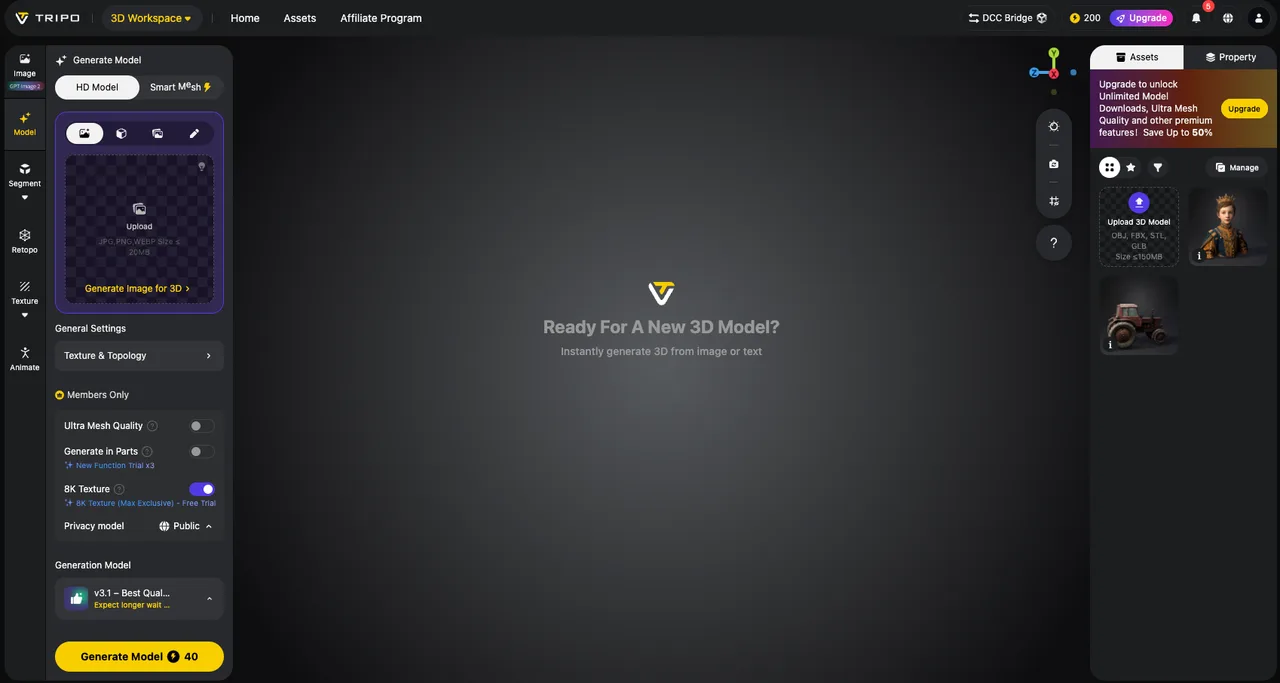
AI 3D workspace by VAST that generates textured, riggable models from text, images or sketches in seconds.
Image, sketch and text to 3D generator. Alphabet acquired the company in January 2026 and the service is no longer reachable.

Common Sense Machines, usually shortened to CSM, was a Cambridge, Massachusetts company building generative models that turned a photo, a sketch or a text prompt into a game-ready mesh. Alphabet acquired it in a deal that closed on 24 January 2026, and roughly a dozen engineers moved to Google DeepMind. This entry is kept as a record rather than a recommendation: as of 2026-09-03 neither csm.ai nor docs.csm.ai answers a request, from two independent networks, so there is nothing to sign up for. It is worth reading anyway, because CSM documented the gap between a generated mesh and a usable one more openly than most of its competitors, and because its disappearance is a useful reminder about where the durable part of this workflow actually sits.
The final generation of the model accepted sketches, text and images, exposed adjustable polygon targets, and embedded physics properties such as collision geometry in the exported file rather than leaving them to be authored later.
Rather than returning one fused shell, CSM could decompose a single image into separate mesh parts and reassemble them. That matters downstream: separate parts can be moved, hidden or printed in different colours, where a fused mesh cannot.
A Python API and a Blender add-on speaking the Model Context Protocol let a script or a language model start a generation and pull the result into an open scene, which technical artists rated more highly than the web interface itself.
Exports carried albedo, normal and roughness maps, so assets reacted to scene lighting properly. Several contemporaries only baked colour into vertices, which looks correct in a preview and wrong in an engine.
Recurring themes across third-party user reviews (G2, Capterra, TrustRadius).

CSM (Common Sense Machines) is free to start. There is a free tier you can use indefinitely, and paid plans above it unlock further capability.
| Plan | Price | What you get |
|---|---|---|
| Tinkerer (historical, free) | USD 0 | About 10 generations. Output was published to the public gallery under CC BY 4.0, so anything uploaded on this tier stopped being private. |
| Maker (historical) | USD 20/month | Around 100 generations, private processing, multi-view upload and PBR textures. |
| Creative Pro (historical) | USD 60/month | Around 400 generations with priority processing. |
| Startup (historical) | USD 499/seat/month | Team features for small studios. |
| Enterprise (historical) | Custom | AI retopology, fine-tuning and custom model work. |
The company was acquired and the product went away without a public migration path. This page records the dates, what the tool did, and where its output tended to break, because none of that is on the vendor site any more.
CSM is a worked example of platform risk in this category. The meshes people exported still open; the accounts, credits and cloud history did not survive. That is an argument for exporting early and keeping your own copies, whichever tool you pick.
There is nothing to sign up for. Neither csm.ai nor docs.csm.ai responds as of 2026-09-03. Tripo, Meshy, Rodin and Hunyuan3D cover the same job.
No. Alphabet acquired Common Sense Machines in a deal that closed on 24 January 2026 and the engineering team moved to Google DeepMind. As of 2026-09-03 neither csm.ai nor docs.csm.ai answers a request, checked from two independent networks on the same day that other vendor sites responded normally.
None that we can find. Coverage of the acquisition noted that no statement addressed product direction, and we have located no vendor notice about the service ending. What is verifiable is the acquisition date and that the domains no longer respond.
Anything already exported to a GLB, FBX, OBJ or USDZ file is unaffected, because those files sit on the user's own disk. Anything that existed only as cloud history, credits or gallery entries went with the service. This is the practical lesson from the whole episode: the file you exported is the part you own.
Tripo, Meshy, Rodin and Hunyuan3D all cover image-to-3D generation and all export a mesh you can download. None of them removes the downstream work CSM users described, so the checks worth running on the output are the same whichever you choose.
Because the question people arrive with is what happened to it, and the vendor site that would have answered is gone. The technical record is also still useful: CSM's failure modes, from non-manifold geometry to fragmented UVs to meshes arriving at the wrong scale, are the same ones every generator in this category produces.
AI 3D workspace by VAST that generates textured, riggable models from text, images or sketches in seconds.
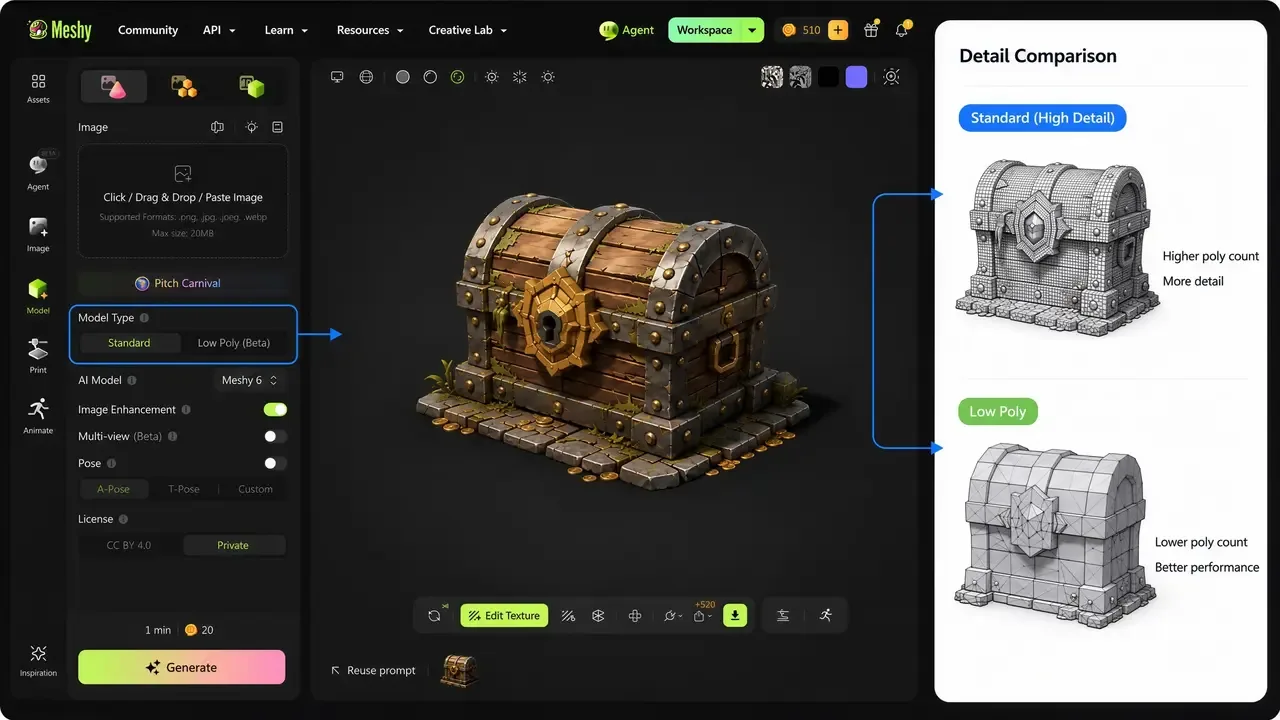
AI 3D model generator that turns text prompts or images into textured, riggable meshes in about a minute.
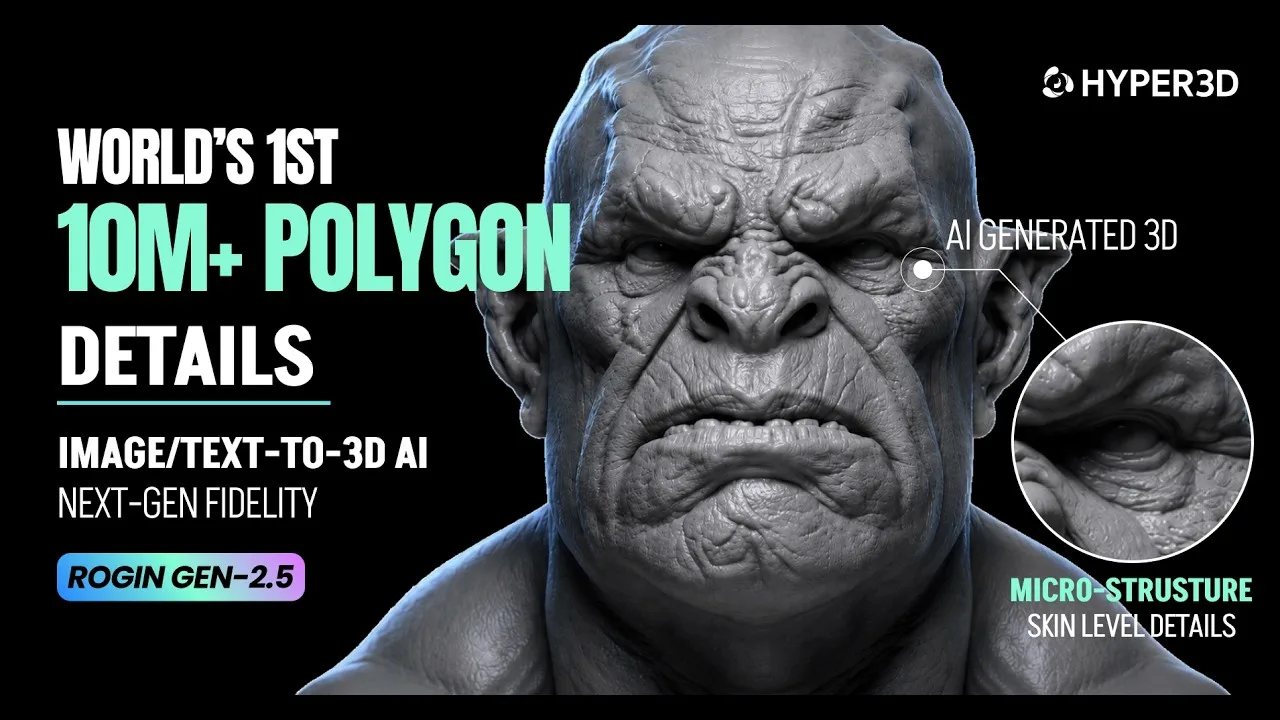
Deemos' AI 3D generator focused on high resolution quad geometry and PBR textures from text or multi image input.
Tencent's AI 3D generator with open weights for self hosting and a commercial cloud API, strongest on hard surface geometry.