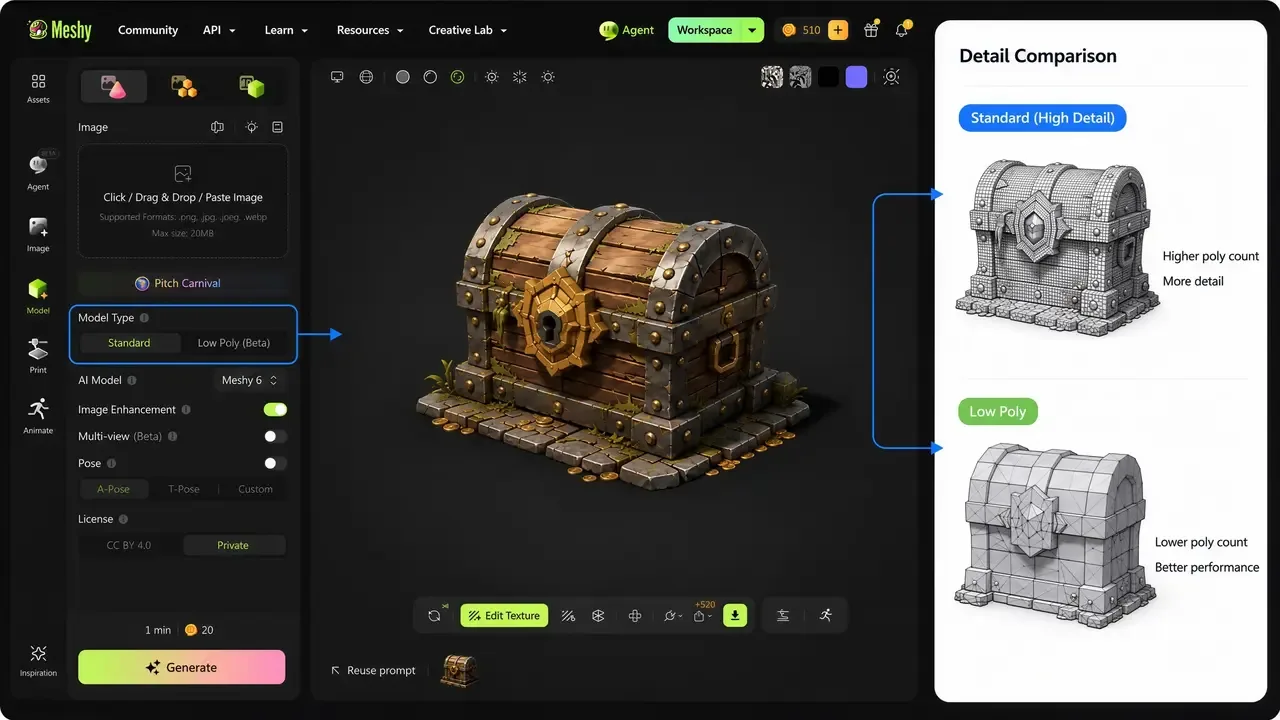
Meshy
AI 3D model generator that turns text prompts or images into textured, riggable meshes in about a minute.
Cloud image and text to 3D with a mandatory cleanup pass, three polygon density tiers and quad output from the Basic plan upward.
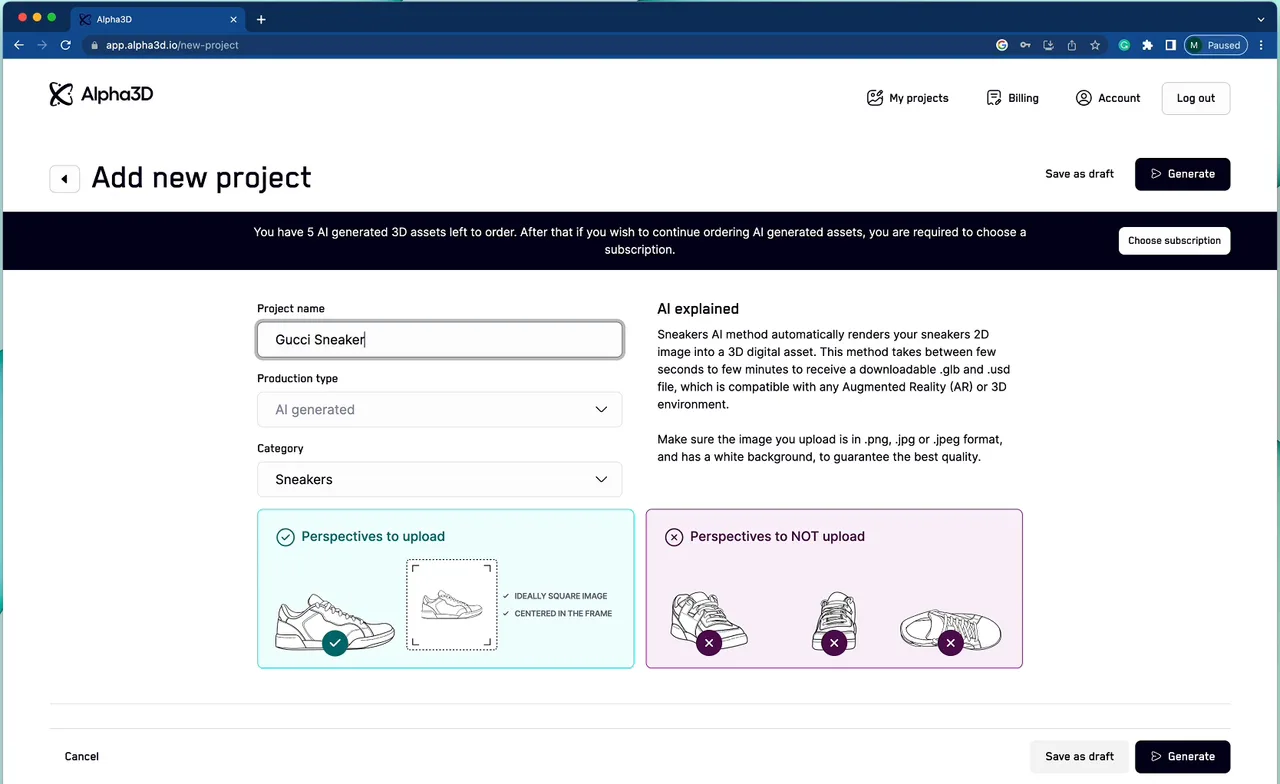
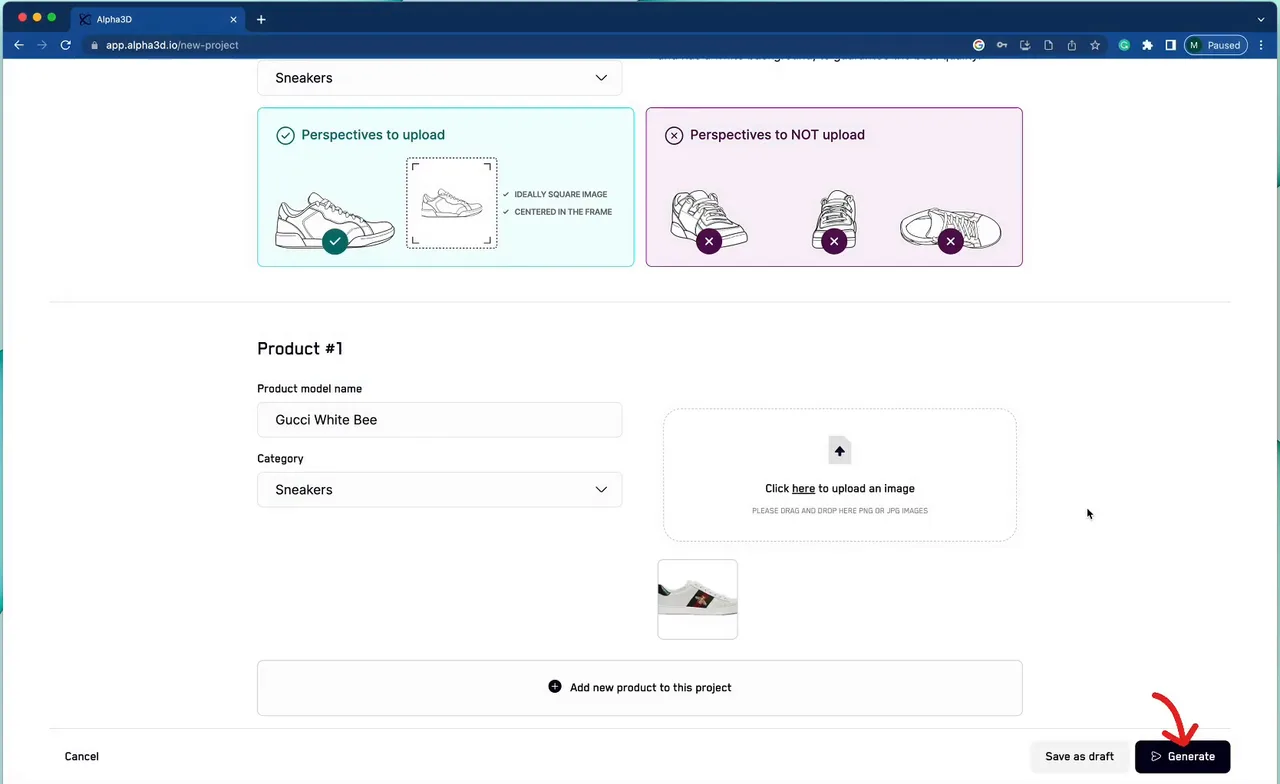
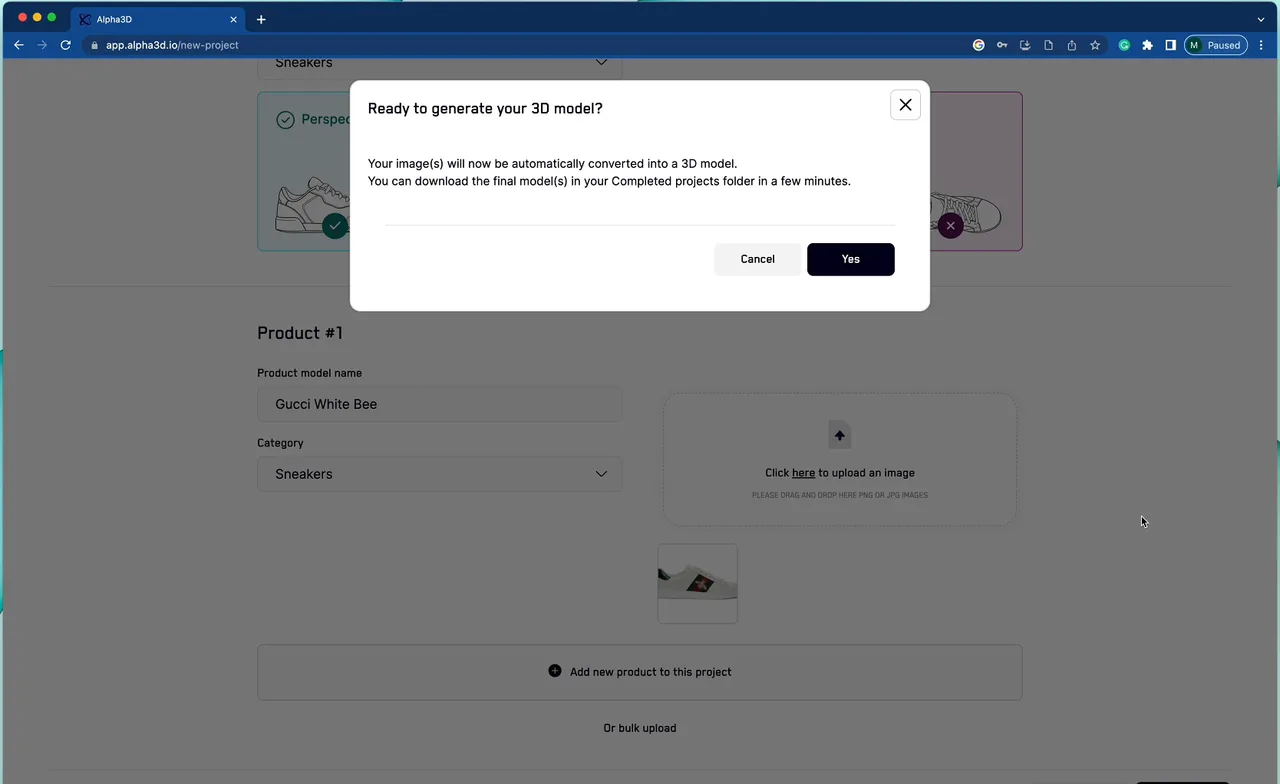
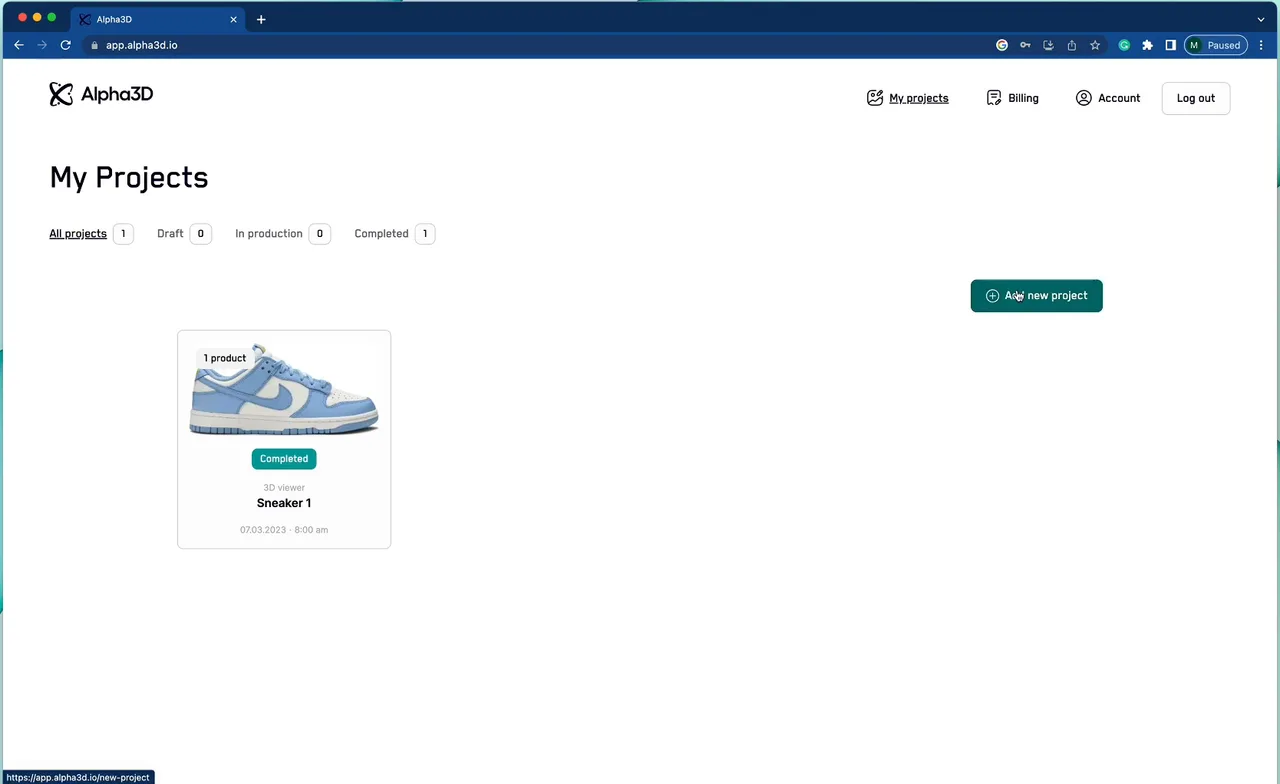
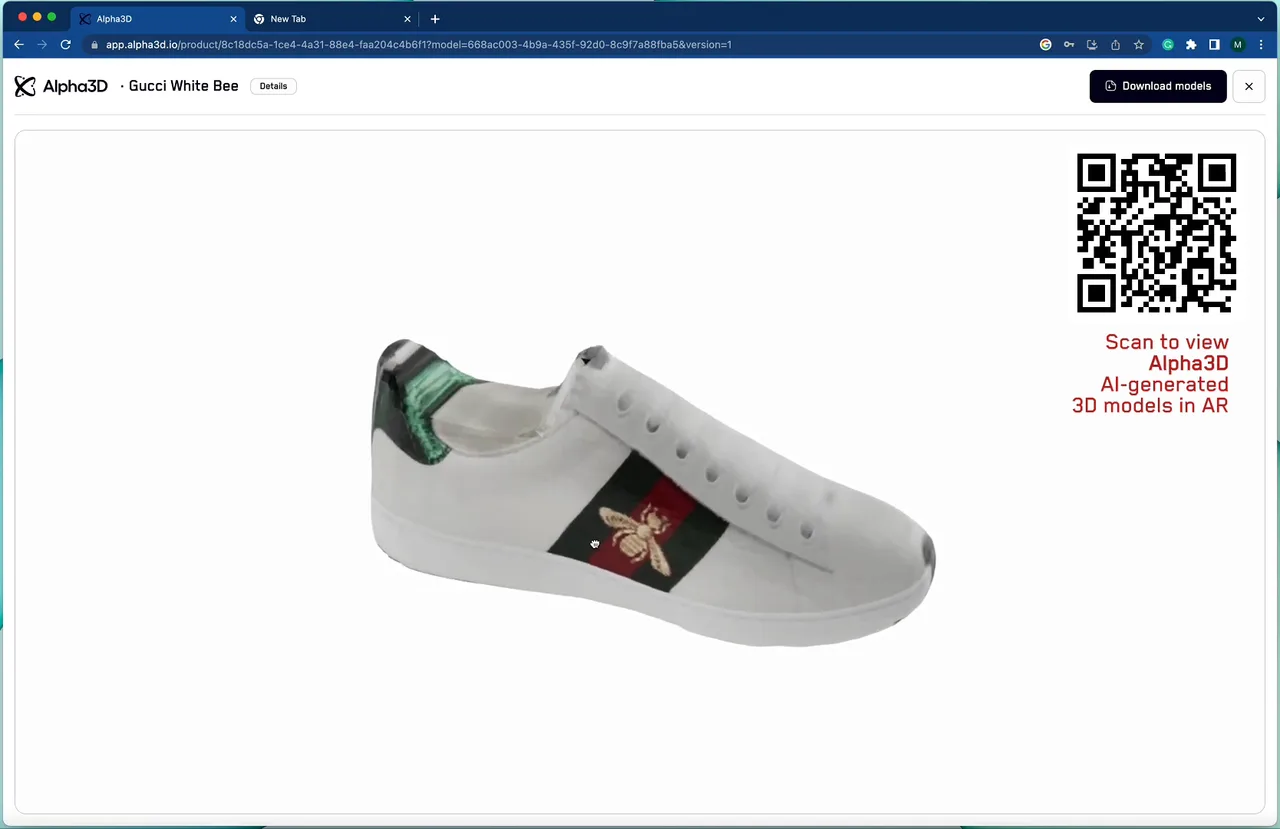
Alpha3D is a cloud generator that runs every result through an automatic cleanup step before handing it over, correcting non-manifold geometry and holes so the mesh comes out watertight. On top of that it exposes polygon density as three named tiers rather than a single number, and quad output from the Basic plan upward. There is no free tier: the entry price is a USD 5 Tester plan with 90 credits, roughly three models a month.
Every result goes through an automatic pass that closes holes and resolves non-manifold geometry, so what you download is watertight. That is the property slicers check, and it is the most common reason a generated mesh fails at the slicer rather than at the engine.
Low Poly at roughly 3,000 to 15,000 faces for mobile and AR, High Res at 300,000 to 500,000 as the default, and Ultra High Res at 500,000 to 1.5 million for hero assets and print. Low Poly disables PBR and relies on painted texturing instead.
Quads subdivide predictably and deform without the pinching triangles cause at joints. Reviewers note the edge flow is algorithmically regular rather than artist-placed, so it holds up for props and less well for faces.
Both the API and a Model Context Protocol server are included from the lowest tier, so generation can be driven from a script or an assistant without an enterprise contract.
Recurring themes across third-party user reviews (G2, Capterra, TrustRadius).


Alpha3D is not free. It is paid software with no free tier, starting at USD 5/month.
| Plan | Price | What you get |
|---|---|---|
| Tester | USD 5/month | 90 credits a month, roughly 3 models. The entry point rather than a free trial. |
| Basic | USD 17/month | 1,000 credits, roughly 33 models. Quad output starts here. |
| Creator | USD 54/month | 3,200 credits, roughly 107 models, full production toolkit. |
| Creator Pro | USD 162/month | 10,000 credits, roughly 333 models. |
| Enterprise | Custom | Custom credit volume. |
The mandatory cleanup pass means watertight geometry is the default rather than something you fix afterwards. Reviewers rate the STL exports well against photogrammetry scans, which routinely arrive with holes.
Three named tiers spanning 3,000 faces to 1.5 million means the same tool serves a mobile prop and a hero asset, which usually requires either two tools or a retopology step.
REST API and MCP access are on every plan including the USD 5 one, so scripted use does not require a sales conversation.
There is no free tier. The cheapest way in is the USD 5 Tester plan at 90 credits, about three models a month, which is an evaluation budget rather than a working one.
Quads are produced but the edge flow is algorithmically regular. Reviewers report it lacks the loops an artist places around eyes, mouth and shoulders, so a rigged character still needs manual retopology.
Generative meshes cannot hold exact parametric constraints, so a 5mm hole is approximately 5mm. Technical artists use output as a base mesh and rebuild to spec rather than treating it as final.
No. The cheapest plan is Tester at USD 5 a month for 90 credits, roughly three models. Every plan above it is priced in US dollars too, from Basic at USD 17 to Creator Pro at USD 162, checked against the vendor pricing page on 2026-09-03.
The geometry side is handled: a mandatory cleanup pass closes holes and fixes non-manifold edges, so the STL is watertight, which is what a slicer requires. Scale is not handled. The file arrives at an arbitrary unit scale, so set the bounding box to real dimensions in the slicer before printing.
Yes, but pick the tier deliberately. The default High Res output runs 300,000 to 500,000 faces, which is an order of magnitude past a typical mobile prop budget. Low Poly at 3,000 to 15,000 faces is the mode that fits, and it turns off PBR in favour of painted texturing.
Quads from the Basic plan upward. They subdivide and deform far better than triangles, which is why professional pipelines ask for them. The caveat is that the edge flow is algorithmically even rather than placed around areas that deform, so characters still need a human pass.
AI 3D model generator that turns text prompts or images into textured, riggable meshes in about a minute.
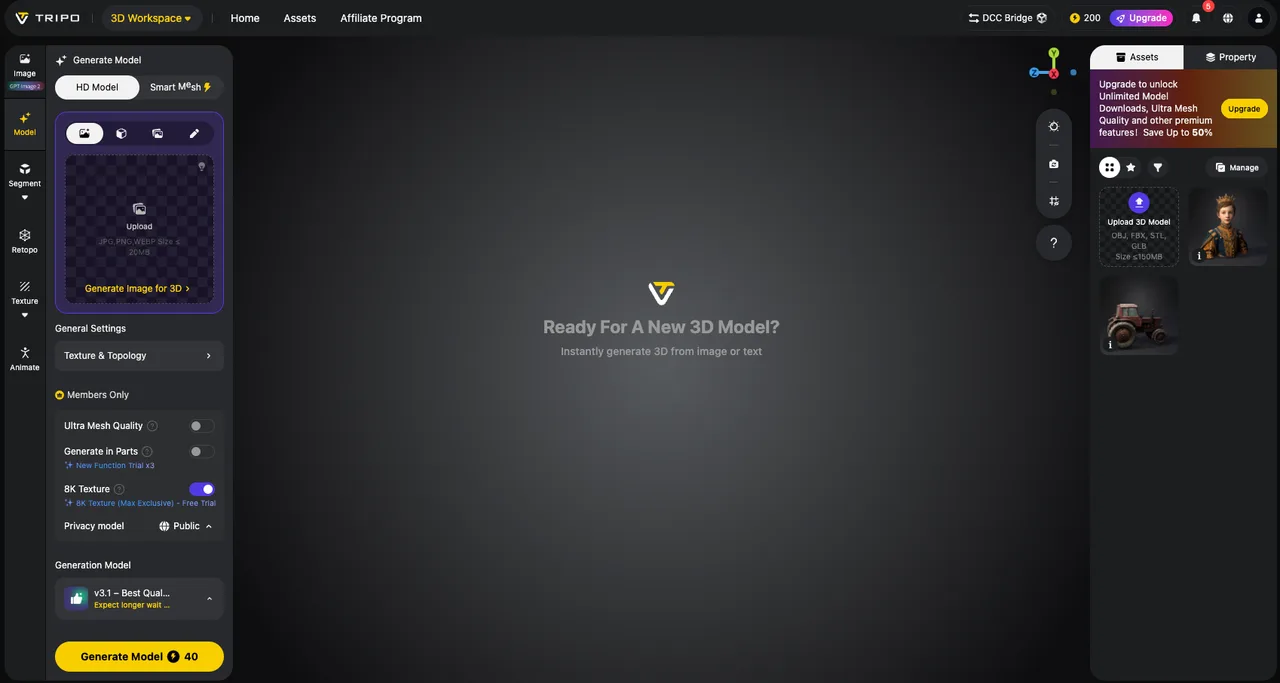
AI 3D workspace by VAST that generates textured, riggable models from text, images or sketches in seconds.
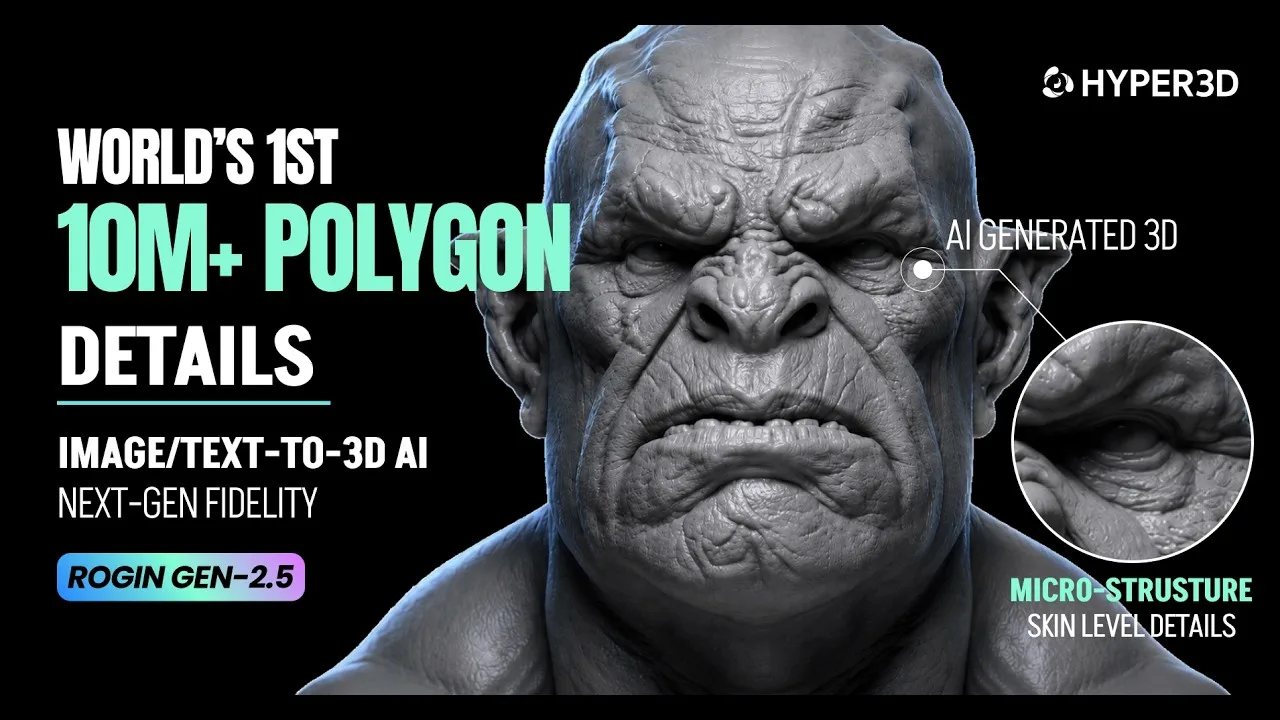
Deemos' AI 3D generator focused on high resolution quad geometry and PBR textures from text or multi image input.
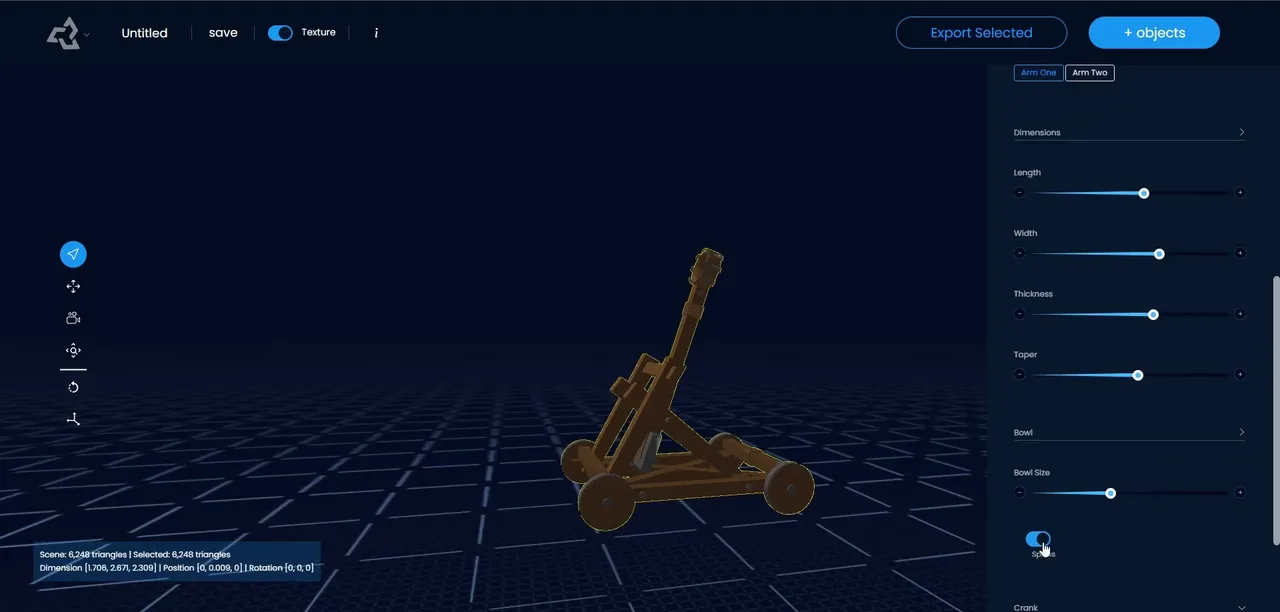
Parametric 3D asset generator with triangle targets, a quad or triangle toggle and a print mode that enforces watertight geometry.