Alpha3D
Cloud image and text to 3D with a mandatory cleanup pass, three polygon density tiers and quad output from the Basic plan upward.
Managed 2D to 3D asset production for studios, where AI generates the base mesh and in-house artists retopologise it before delivery.
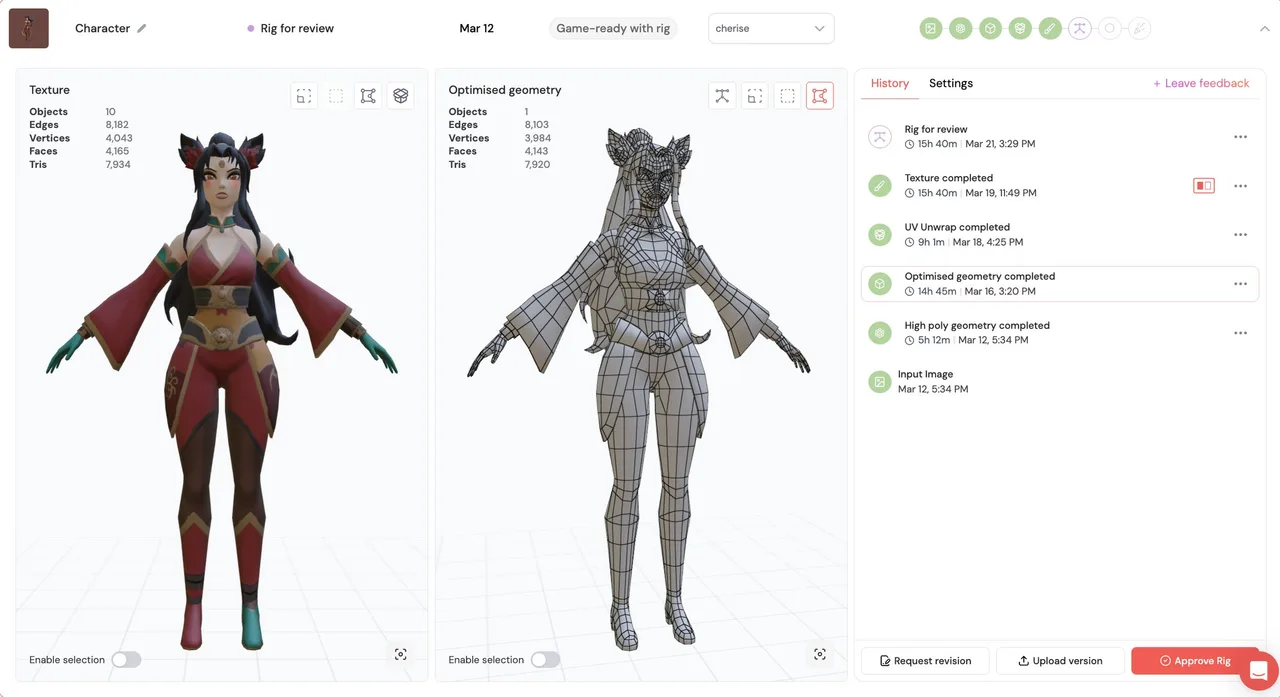
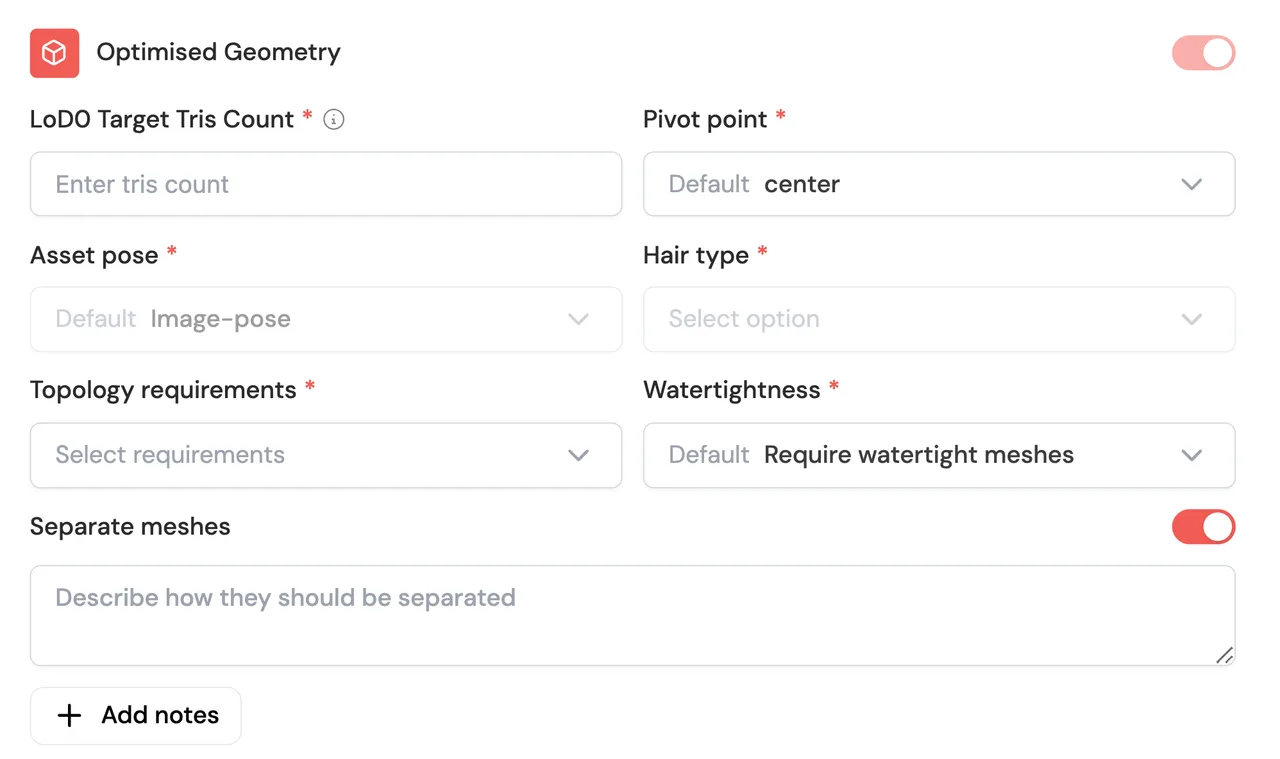
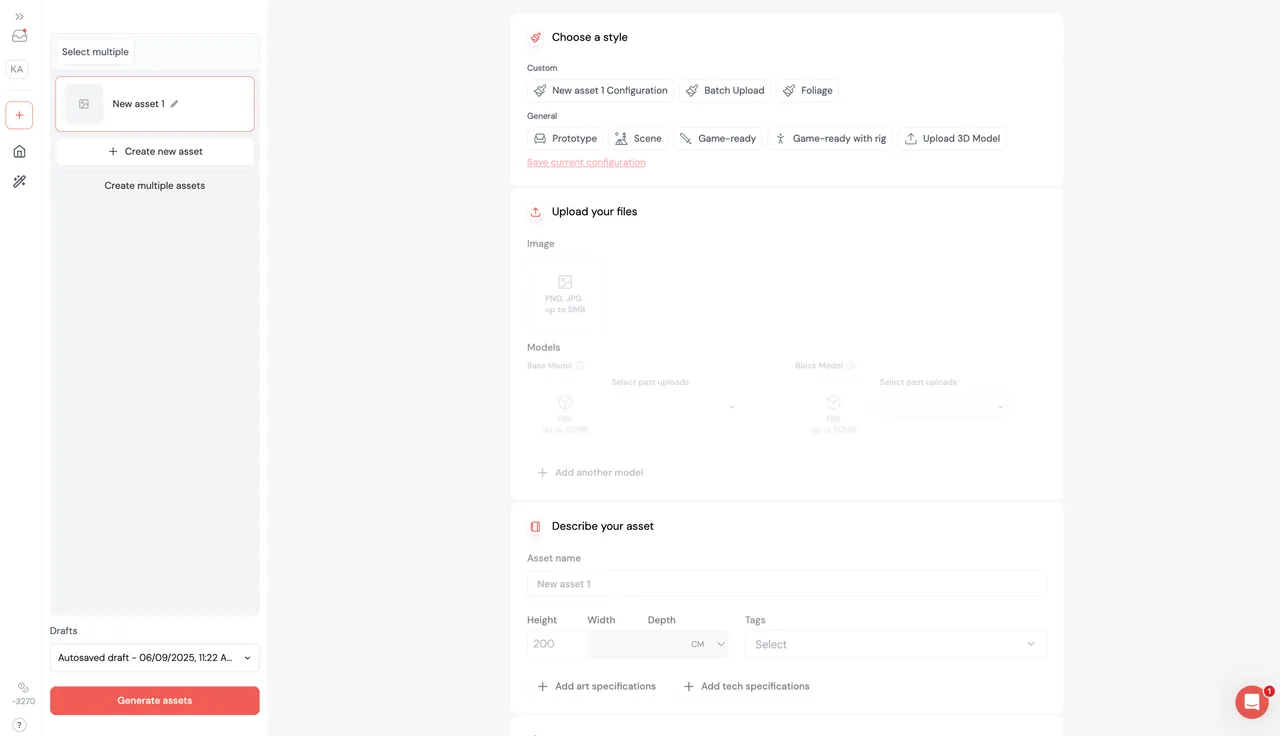
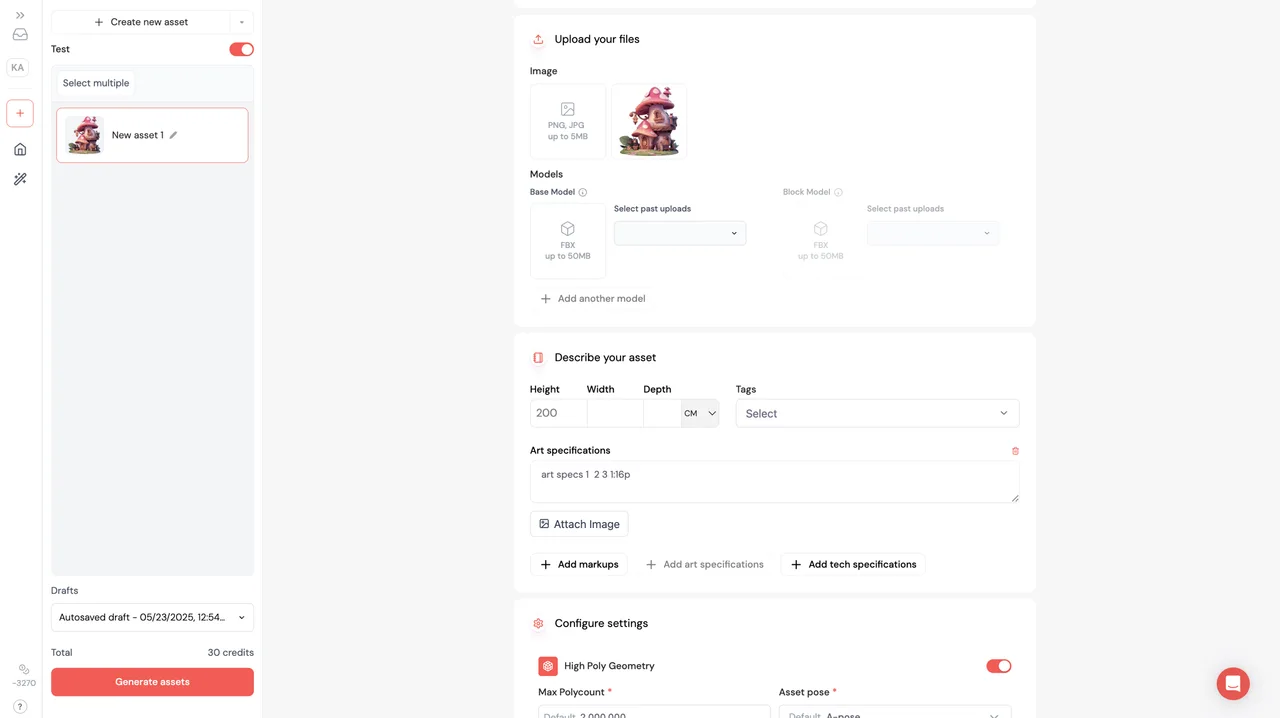
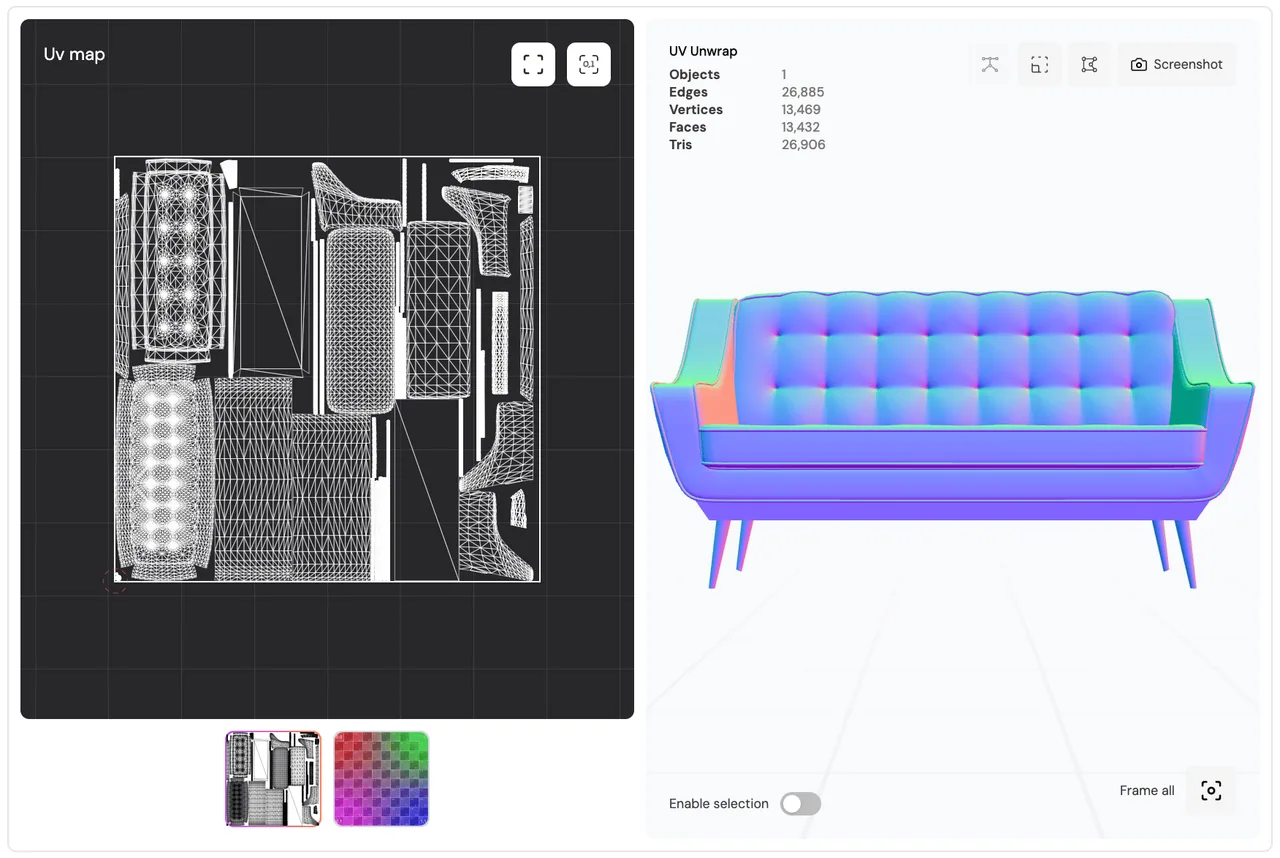
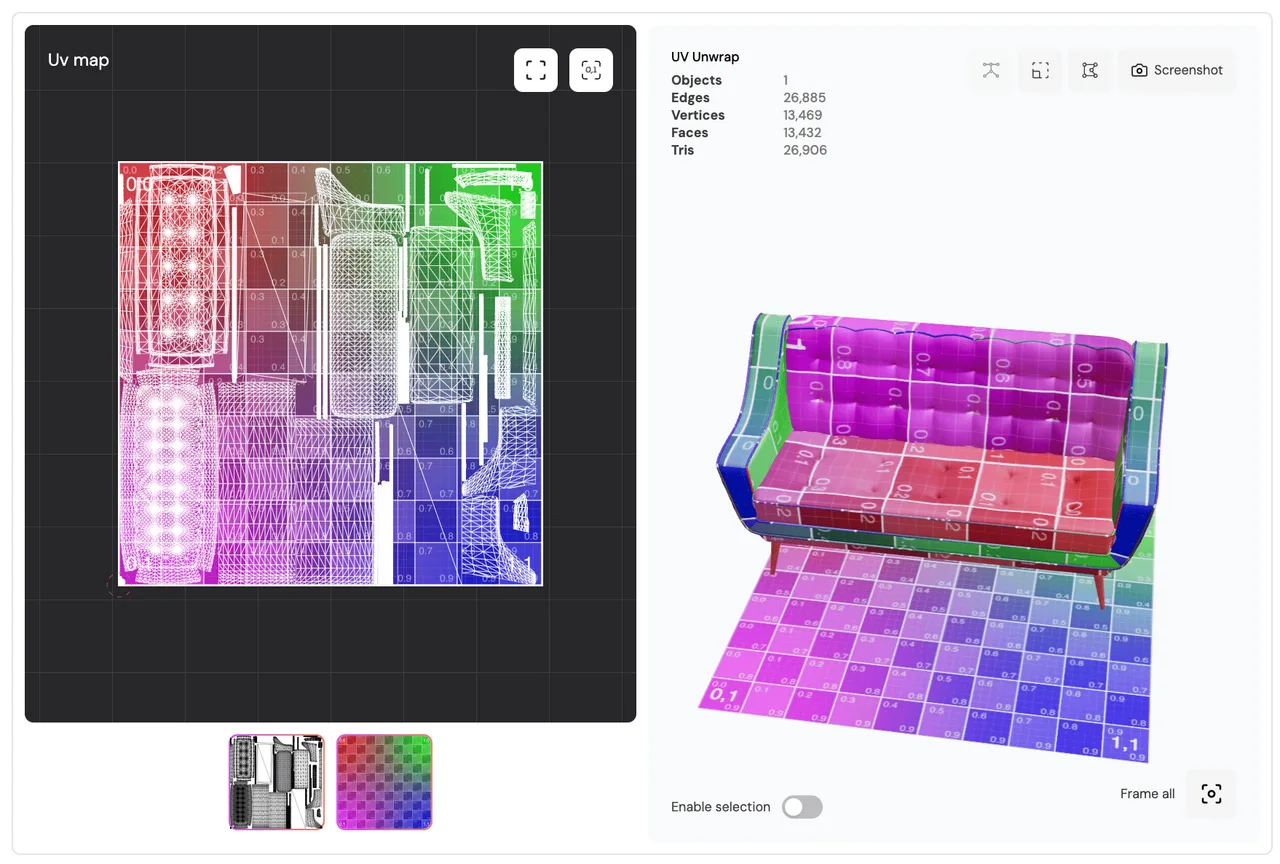
Kaedim turns concept art and reference images into game-ready 3D assets. It is not a pure generator: machine learning produces an initial form, then Kaedim's own 3D artists retopologise, unwrap and check the result before it reaches the customer. The company calls this artist-in-the-loop, and it is the reason the output arrives as clean quad topology rather than the triangle soup a one-click generator produces. It is also the reason a job takes hours or days rather than seconds. Kaedim Limited is based in London and the platform runs entirely in the browser, with plugins that push finished assets into Maya, Blender, Unity, Unreal Engine and NVIDIA Omniverse.
Machine learning produces the initial form and human 3D artists finish it. This is the single most important thing to understand about Kaedim: it explains the clean topology, the commercial-rights position, and the turnaround measured in hours or days rather than the seconds a pure generator takes.
Output defaults to quad-based edge flow, which is what character artists need for clean deformation at joints. An 'allow tris for optimisation' toggle switches to aggressive triangular decimation for assets going straight into an engine with no further editing.
Up to three levels of detail per asset, driven either by a hard target polygon count or by a percentage decimation against the base mesh. Most generators give you whatever density the model produces; here the budget is an input.
Albedo, roughness, metalness, ambient occlusion, normal, displacement and emissive maps, up to 4096x4096, with a choice of DirectX or OpenGL normal map convention. Lighting can be baked into vertex data or kept as separate maps for a shader graph.
Officially supported plugins for Maya, Blender, Unity, Unreal Engine and NVIDIA Omniverse start a job and drop the finished asset straight into the open scene, with pivot points and T-posed armatures already set.
Everything runs on Kaedim's servers, so there is no GPU requirement locally and closing the browser does not cancel a job. Completion arrives by email or Discord.
Recurring themes across third-party user reviews (G2, Capterra, TrustRadius).
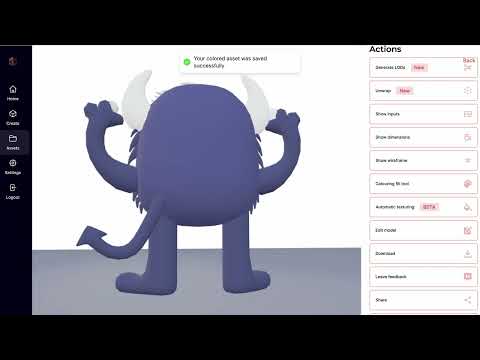

Kaedim is not free. It is paid software with no free tier, though a time limited trial may be offered.
| Plan | Price | What you get |
|---|---|---|
| Custom quote | Contact sales | Kaedim published named tiers in the past but no longer does. As of 2026-09-03 the site has no pricing page and the FAQ states that pricing is agreed per customer. |
The pitch is a replacement for freelancer and outsourcing overhead at volume, with agreed turnaround terms per asset category. That comparison only works if you are already paying for outsourced art.
If the asset has to deform, quad topology is not a nicety. Kaedim delivering it by default is the main reason to pay a managed-service price instead of a generator subscription.
Custom style support and a human review step make output consistency achievable across a large batch, which is where per-prompt generators tend to drift.
There is no free tier and no self-serve price. The platform is sold to teams through a sales conversation, which by itself rules out casual use.
Human refinement is the product, and it takes time. Reviewers repeatedly report waits of hours to days. If rapid ideation is the goal, a pure generator is the right category.
Kaedim outputs polygonal meshes. Importing an OBJ or FBX into SolidWorks or Fusion gives you a dumb solid for reference, not parametric geometry you can edit. This is a property of meshes, not a Kaedim limitation, but it is the most common wrong expectation.
No. Machine learning produces an initial form, then Kaedim's own 3D artists review, retopologise and fix the asset before delivery. The company describes this as artist-in-the-loop. It became public knowledge through a September 2023 404 Media investigation, after which Kaedim rewrote its marketing to state the human step explicitly.
Hours to days, not minutes. Because a human finishes the work, turnaround depends on queue and complexity rather than compute. This is the most frequent complaint in independent reviews and the single biggest expectation mismatch for new users.
No. As of 2026-09-03 Kaedim publishes no pricing page and no self-serve plan; the FAQ says pricing is agreed per customer. Third-party software directories still list older named tiers, and some claim a free trial exists. Neither matches what the vendor currently publishes.
Kaedim states its meshes are watertight and manifold, which is the property slicers require, so a straight import is usually clean. That is a different question from whether the object is printable: generated shapes can still carry unsupported overhangs, detail below the nozzle's resolution, or decorative pieces that are physically unsupported. Manifold geometry gets you past the slicer, not past the printer.
Not parametrically. Kaedim produces polygonal meshes, while SolidWorks and Fusion work in boundary representation with exact curves. A mesh imports as a reference body or dumb solid, and converting it into editable CAD is a separate, lossy process.
The customer. Kaedim also states that enterprise customer data is segmented and not used to train its models. The human authoring step is relevant here too, since work substantially made by people avoids the unsettled copyright questions around purely machine-generated output.
Cloud image and text to 3D with a mandatory cleanup pass, three polygon density tiers and quad output from the Basic plan upward.
Image, sketch and text to 3D generator. Alphabet acquired the company in January 2026 and the service is no longer reachable.
Image and text to 3D built around printing: watertight output, face counts up to 2 million, and 3MF export that carries colour regions into a slicer.
Tencent's AI 3D generator with open weights for self hosting and a commercial cloud API, strongest on hard surface geometry.
AI 3D model generator that turns text prompts or images into textured, riggable meshes in about a minute.
Text, image and sketch to 3D generator with a free tier, mesh quality presets, part splitting and export aimed at both game engines and 3D printing.