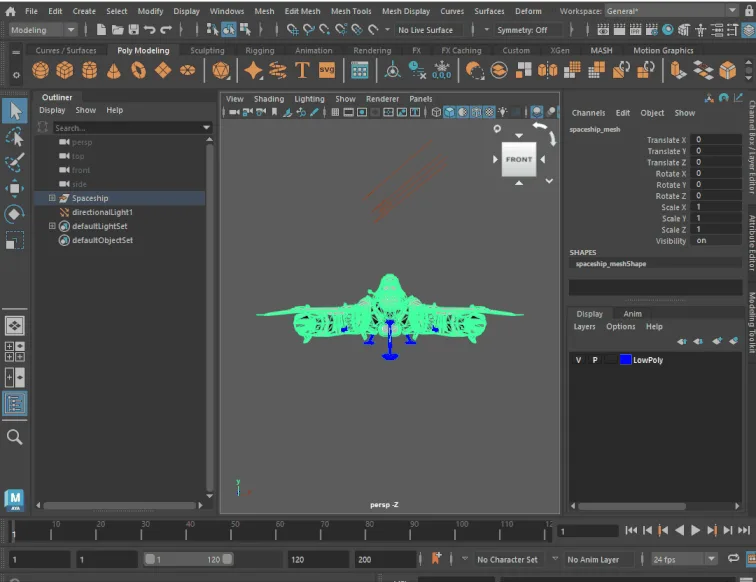
Autodesk Maya
Subscription 3D animation, modeling and simulation suite, and the long-standing studio default for character rigging.
Epic's real-time 3D engine built around Nanite virtualised geometry and Lumen dynamic lighting, used for AAA games, virtual production and archviz.
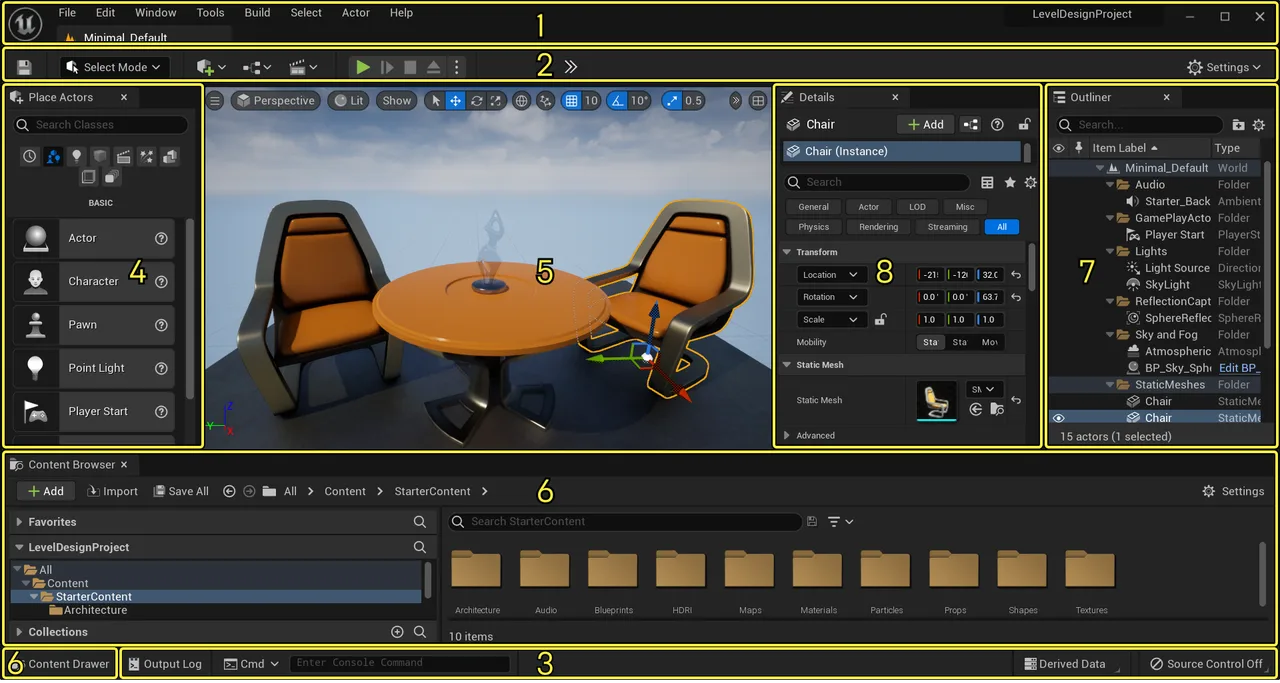
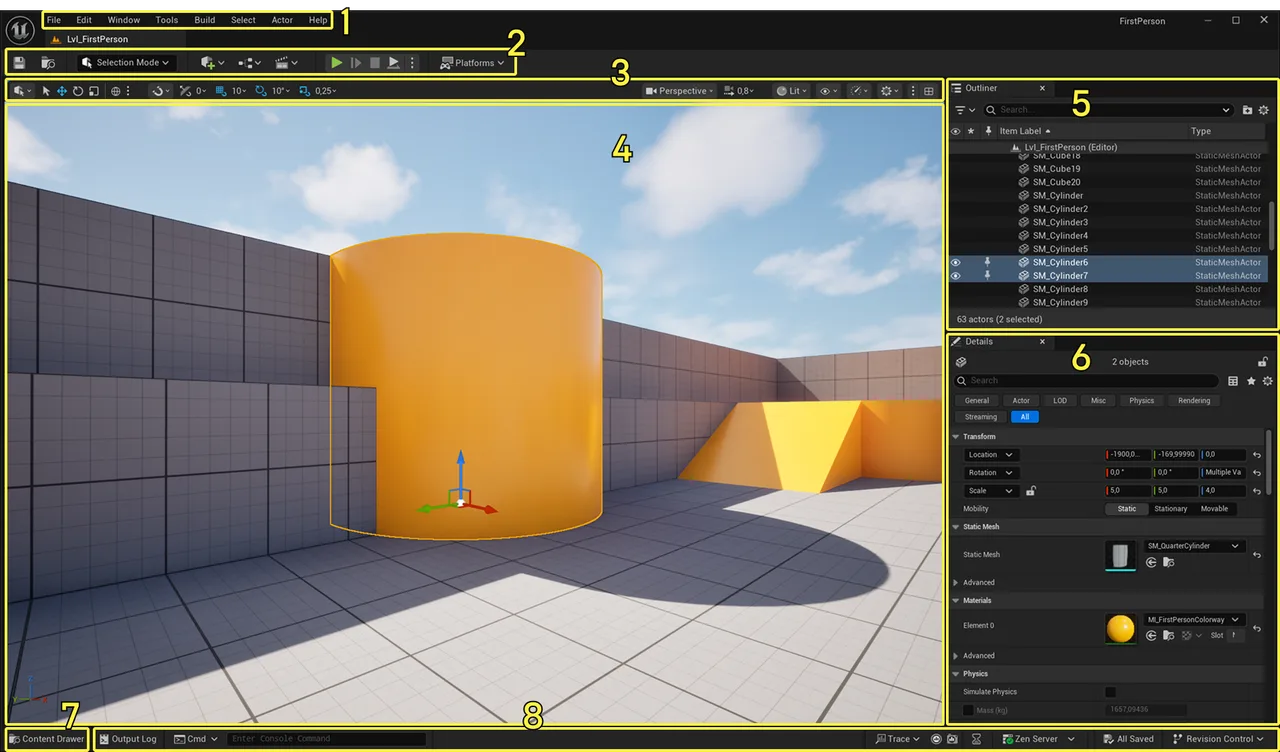
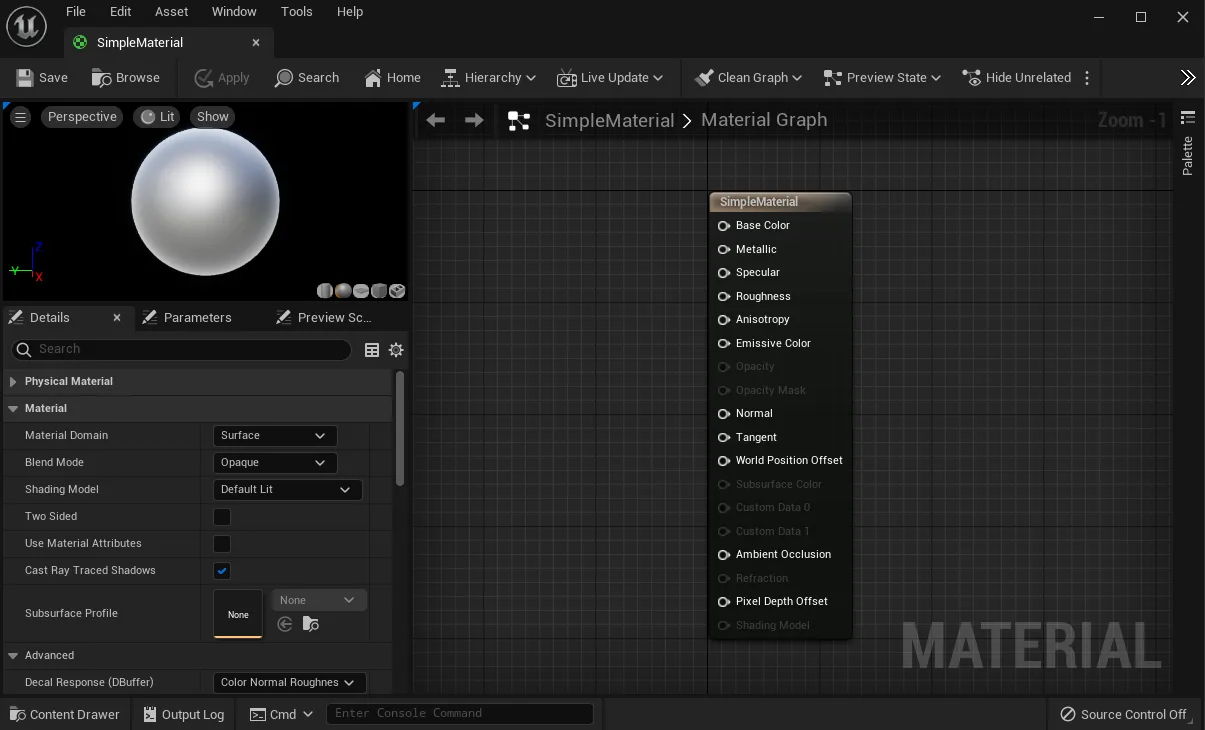
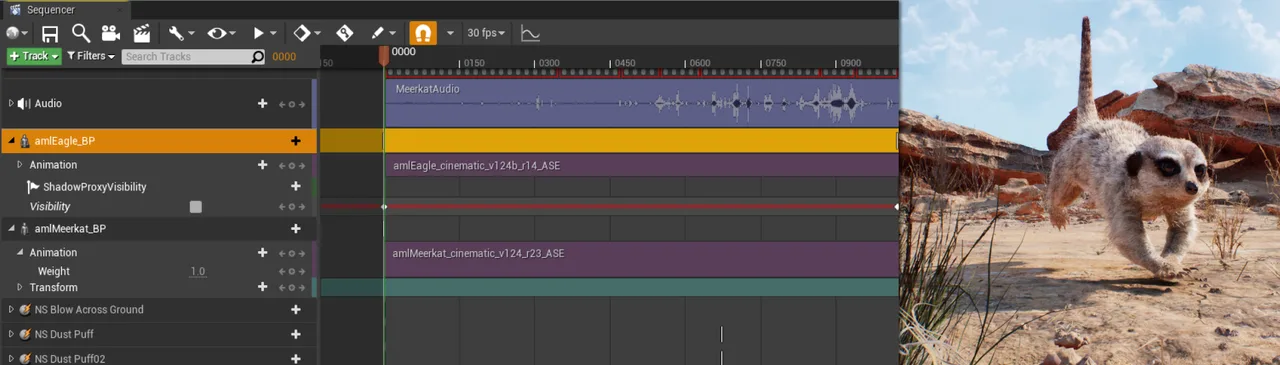
Unreal Engine is Epic Games' real-time 3D engine, first released in 1998 to power the original Unreal and now the reference platform for AAA games, in-camera visual effects and architectural visualisation. In a production pipeline it acts as an aggregation and rendering hub rather than an authoring tool: geometry, textures and motion capture arrive from Maya, Blender and ZBrush, and Unreal assembles them into lit, interactive, real-time scenes. The current release is Unreal Engine 5.8, shipped 23 June 2026 and designated the final major release of the UE5 generation. Its licensing is the most misread thing about it. Epic does not divide by industry, as most coverage claims; it divides by whether your product depends on engine code at runtime and is licensed to third-party end users, which decides whether you owe a royalty or a per-seat subscription.
Nanite streams and renders only the triangles visible at a given pixel scale, removing the need for manual LOD chains and normal-map baking. Film-quality photogrammetry can go in without retopology, which is why it reshaped scan-to-engine workflows. It applies to rigid static meshes, so heavily deforming geometry still falls back to conventional paths.
A fully dynamic GI and reflection system that responds instantly to moved lights and geometry, with no lightmap baking step. It combines software ray tracing through signed distance fields with hardware ray tracing. UE 5.8 added Lumen Lite, a probe-based medium-quality mode targeting 60fps on current consoles and handhelds.
Epic's answer to FBX's limits in enterprise work. Datasmith carries scene hierarchy, lights, camera metadata and physically based materials out of 3ds Max, Revit, Rhino, SolidWorks and Cinema 4D, and supports non-destructive re-import: move a wall in Revit and only that wall updates, leaving your lighting setup intact.
A node graph that lets designers and technical artists build interactions, AI behaviour and UI without writing C++. Reviewers repeatedly name it the single feature that opens the engine to non-programmers. It runs on a virtual machine, so heavy computation is still meaningfully slower than native code.
nDisplay synchronises engine output across LED volume walls, matching parallax to the cinema camera's tracking data so backgrounds are captured in camera rather than composited later. This is the technology behind the virtual production stage industry, and it is where Unreal has no real competitor.
World Partition streams large worlds by grid rather than hand-authored level streaming, and the PCG framework populates them from spatial rulesets. UE 5.8 added Mesh Terrain, a non-destructive voxel-like system that finally allows overhangs and caves rather than heightfield-only terrain.
Recurring themes across third-party user reviews (G2, Capterra, TrustRadius).
Unreal Engine is free to start. There is a free tier you can use indefinitely, and paid plans above it unlock further capability.
| Plan | Price | What you get |
|---|---|---|
| Free | USD 0 | Students, educators, hobbyists and any company whose group made under USD 1 million gross revenue in the last 12 months. All engine features included. |
| Royalty | 5% of gross revenue | For products that depend on engine code at runtime and are licensed to third-party end users, typically games. The first USD 1 million of a product's lifetime revenue is exempt, and Epic Games Store sales are royalty free. No seats required. |
| Unreal Subscription | USD 1,850/year per seat | For commercial work above USD 1 million group revenue that is not a runtime-dependent product licensed to end users: linear film, archviz renders, internal tools, location-based installations. Bundles Unreal Engine, Twinmotion and RealityCapture in one non-splittable seat. |
| Custom | Negotiated | Available for teams above 25 seats or with non-standard licensing needs, negotiated directly with Epic. |
nDisplay driving LED volumes has made Unreal the de facto standard for in-camera VFX, with an established hardware ecosystem around it from ARRI, ROE Visual and Brompton.
Networking, streaming, physics and rendering ship as one integrated stack. GDC's 2026 survey puts Unreal at 47% of AAA studios and 59% of AA studios as primary engine.
Datasmith preserves CAD and BIM hierarchy on import and re-import, and real-time path tracing produces client-ready stills and animation from the same scene as the interactive walkthrough.
Nanite ingests dense scan meshes without retopology, and a subscription seat bundles RealityCapture, so capture and rendering sit under one licence.
An empty project can exceed several gigabytes, Paper2D has seen little investment, and shipping performant mobile means disabling Nanite and Lumen, the reasons to choose the engine in the first place.
Blueprints go a long way, but deep optimisation and engine modification require C++, where header changes trigger the Unreal Header Tool to reparse hundreds of files and push compile times into double-digit minutes.
Epic recommends an RTX 2000-series or newer GPU and, for large worlds, 64GB of RAM. Below that the editor stutters and shader compilation dominates the working day.
It depends on what you ship, not what industry you are in. If your product depends on Unreal code at runtime and is licensed to third-party end users, typically a game, you pay a 5% royalty above the first USD 1 million of that product's lifetime revenue and buy no seats. If it does not, for example a rendered film sequence, an archviz animation or an internal configurator, and your group made over USD 1 million in the last 12 months, you need subscription seats instead.
It is free while your corporate group is under USD 1 million in gross revenue over the preceding 12 months. Above that, archviz work generally falls on the seat side at USD 1,850 per seat per year, because a rendered walkthrough is not a runtime product licensed to end users. An interactive app you sell to buyers would follow the royalty path instead.
One named-user seat bundles Unreal Engine, Twinmotion and RealityCapture and cannot be split between people. Bought separately, Twinmotion is USD 445 per year and RealityCapture USD 1,250 per year, so the bundle is the cheaper route for teams that need the photogrammetry and visualisation tools too.
Unreal uses a left-handed Z-up system where one unit is one centimetre, while Blender is Z-up with one unit per metre and Maya is Y-up in centimetres. Set the scene scale to 0.01 in Blender before exporting, or the mesh arrives scaled by 100 and physics and lighting calculations break with it.
No. FBX is lossy for materials: a node-based shader arrives as a basic Phong material and has to be rebuilt with Unreal's material nodes. Datasmith preserves physically based materials from CAD and BIM tools, and USD can be referenced directly from disk so several artists work on the same asset without a translation step.
DirectX 12 for Windows and Xbox, where it gives tighter OS integration, DirectX Raytracing and steadier frame pacing on NVIDIA hardware. Vulkan for Linux, Android and Steam Deck. One practical exception: editor UI stutter on multi-monitor DX12 setups, often triggered by overlay software hooking the engine, usually disappears by running the editor on Vulkan while still shipping the DX12 build.
For visualisation, portfolio work and simple games, yes. For complex multiplayer, heavy simulation or serious optimisation, C++ becomes necessary, because Blueprints execute through a virtual machine and carry measurable overhead compared with native code.
Subscription 3D animation, modeling and simulation suite, and the long-standing studio default for character rigging.
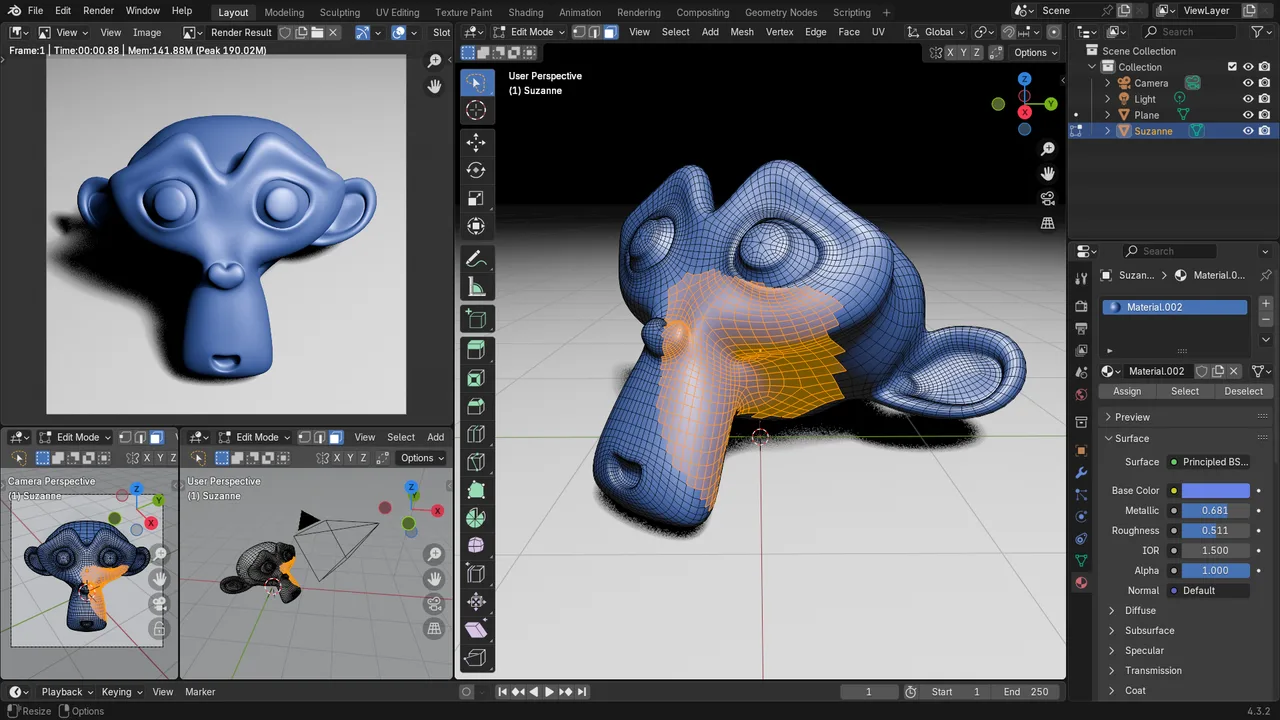
Free and open source 3D creation suite covering modeling, sculpting, texturing, animation and rendering.
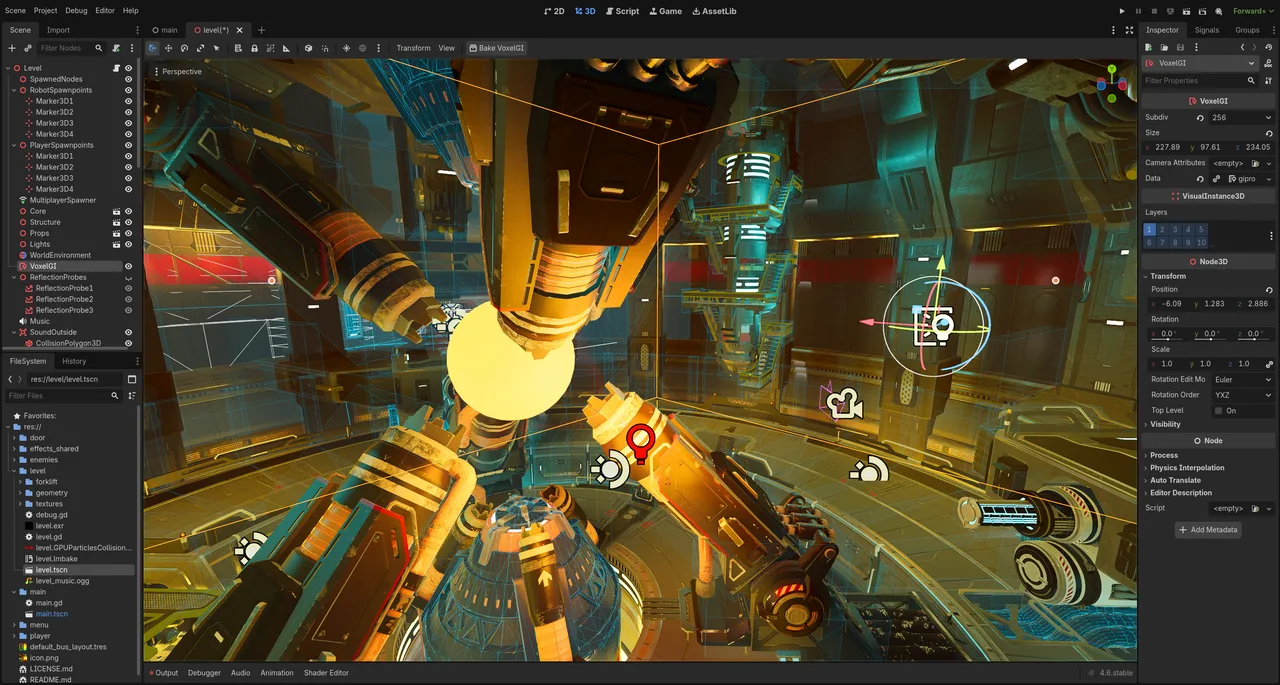
MIT-licensed open source engine with a node and scene architecture, a purpose-built 2D pipeline and a Vulkan Forward+ 3D renderer.
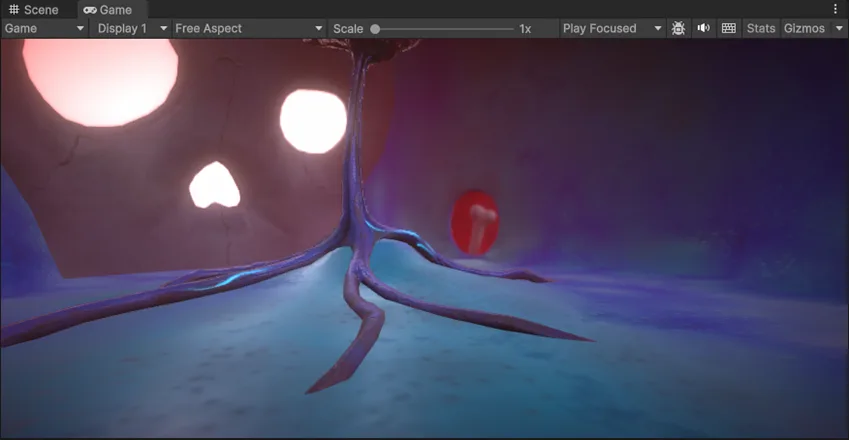
Cross-platform real-time engine for games, XR and industrial applications, with C# scripting and deployment to console, mobile and web.