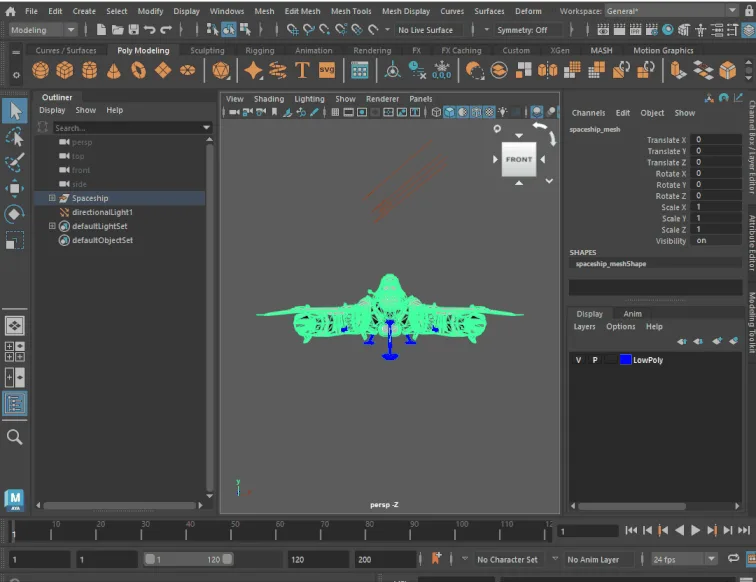
Autodesk Maya
Subscription 3D animation, modeling and simulation suite, and the long-standing studio default for character rigging.
Renderers turn 3D scenes into final images and animations by simulating how light behaves. This category covers offline path tracers built for photorealism, real time engines built for speed, and GPU renderers that blur the line between the two. Most integrate as plugins into the major 3D suites.
Tools in this category: 3
Subscription 3D animation, modeling and simulation suite, and the long-standing studio default for character rigging.
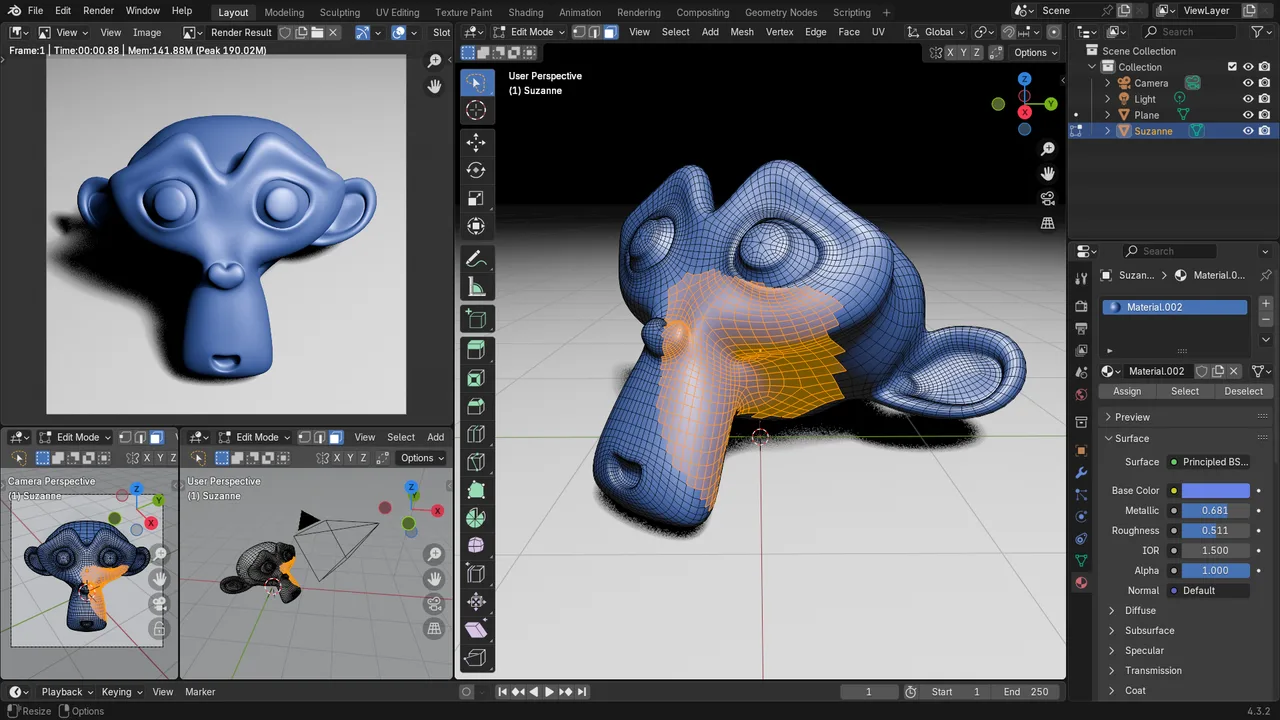
Free and open source 3D creation suite covering modeling, sculpting, texturing, animation and rendering.
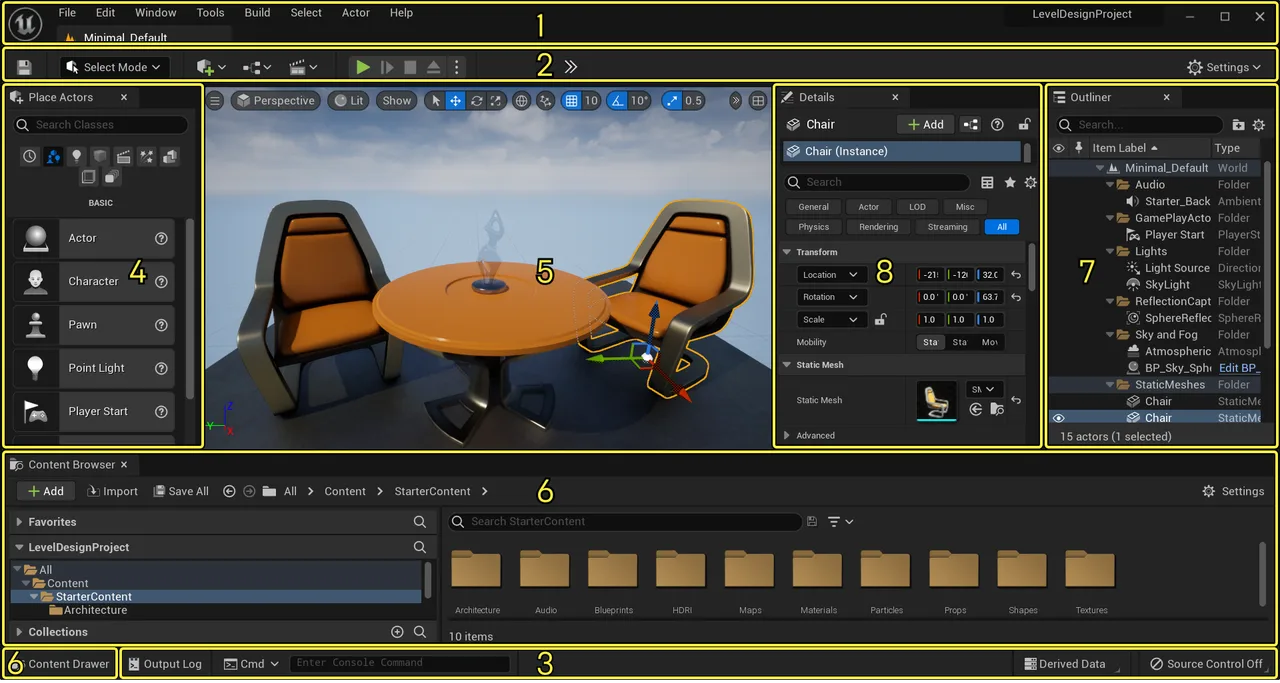
Epic's real-time 3D engine built around Nanite virtualised geometry and Lumen dynamic lighting, used for AAA games, virtual production and archviz.
No tools match these filters.
Offline renderers trace light paths accurately and can take minutes or hours per frame, which suits film and product visualisation. Real time engines approximate lighting to draw frames in milliseconds, which suits games, VR and interactive preview. The quality gap narrows every year.
Most modern renderers support both. GPU rendering is usually much faster per watt but is limited by video memory, while CPU rendering handles huge scenes more predictably. Many artists use GPU for lookdev and either for finals depending on scene size.
Path traced images start out grainy and clean up as more samples accumulate. Denoisers use image filters or machine learning to remove that noise early, which cuts render times dramatically at a small cost in fine detail.