Agisoft Metashape
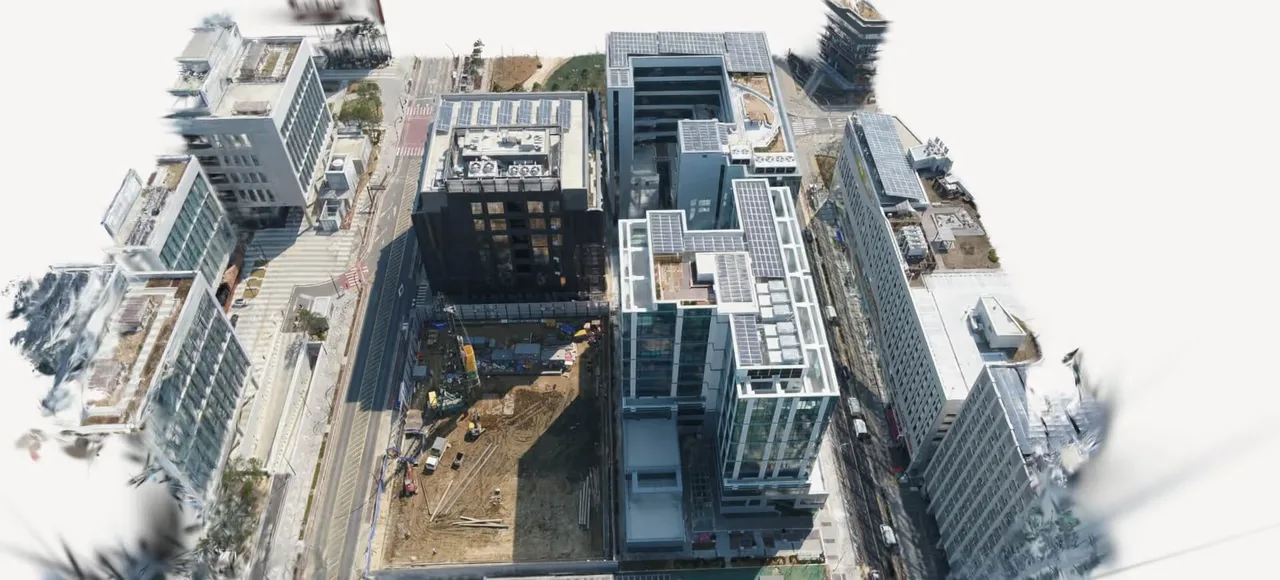
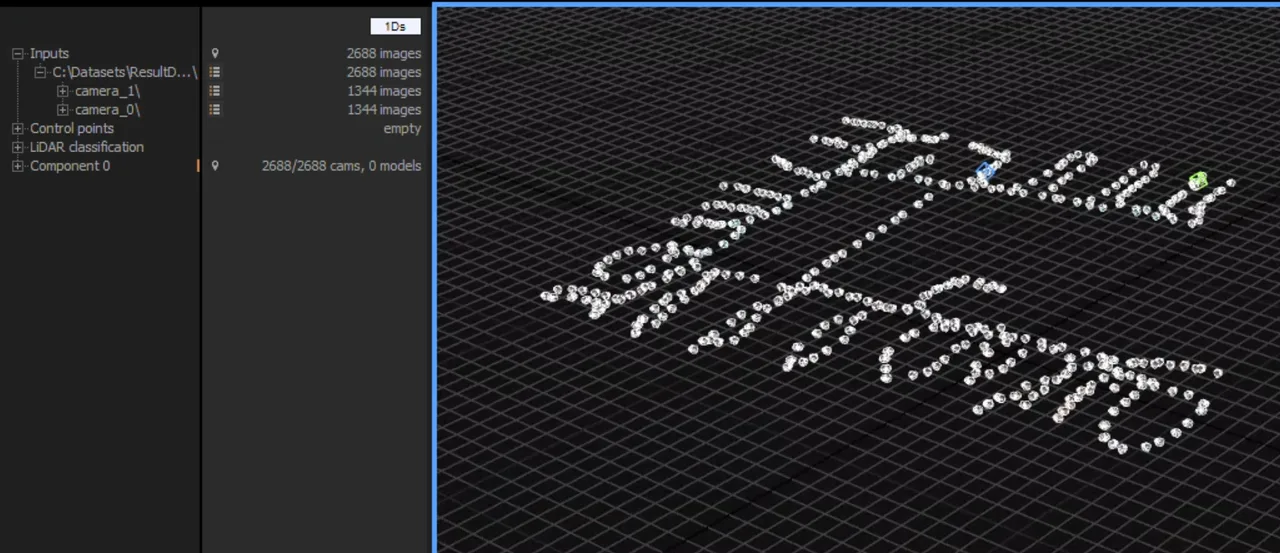
Photogrammetry software that turns photos and LiDAR into measurable point clouds, meshes and orthomosaics. Perpetual licence, no subscription.
Scanning and photogrammetry tools turn the real world into 3D models, either from photo sets, LiDAR captures or dedicated scanners. They are used for game and film assets, cultural heritage preservation, surveying and reverse engineering, and their raw output usually feeds into retopology and texturing tools afterwards.
Tools in this category: 4
Photogrammetry software that turns photos and LiDAR into measurable point clouds, meshes and orthomosaics. Perpetual licence, no subscription.
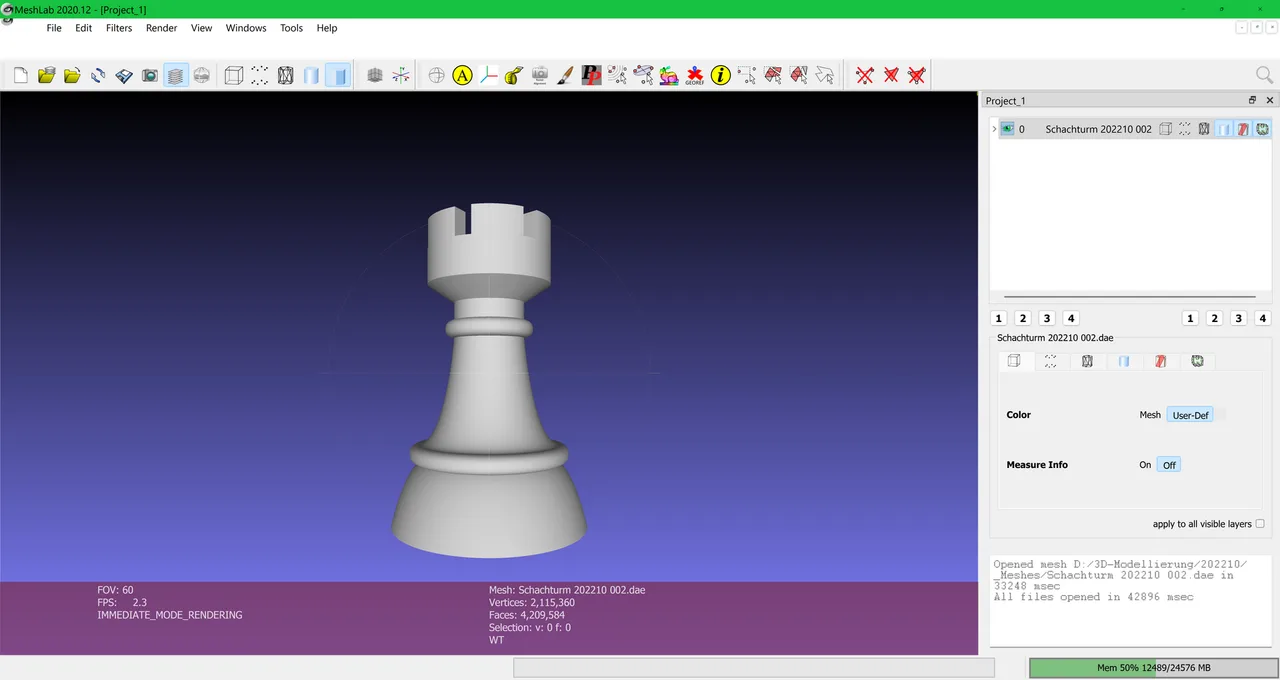
Open source system for processing and editing 3D triangular meshes, widely used for scan cleanup, repair and format conversion.
Phone-based 3D scanning using LiDAR, photogrammetry and Gaussian splats, with CAD-ready floor plans on the paid tiers.
Epic Games photogrammetry suite, formerly RealityCapture, free below USD 1M revenue and built for merging photos with laser and SLAM scans.
No tools match these filters.
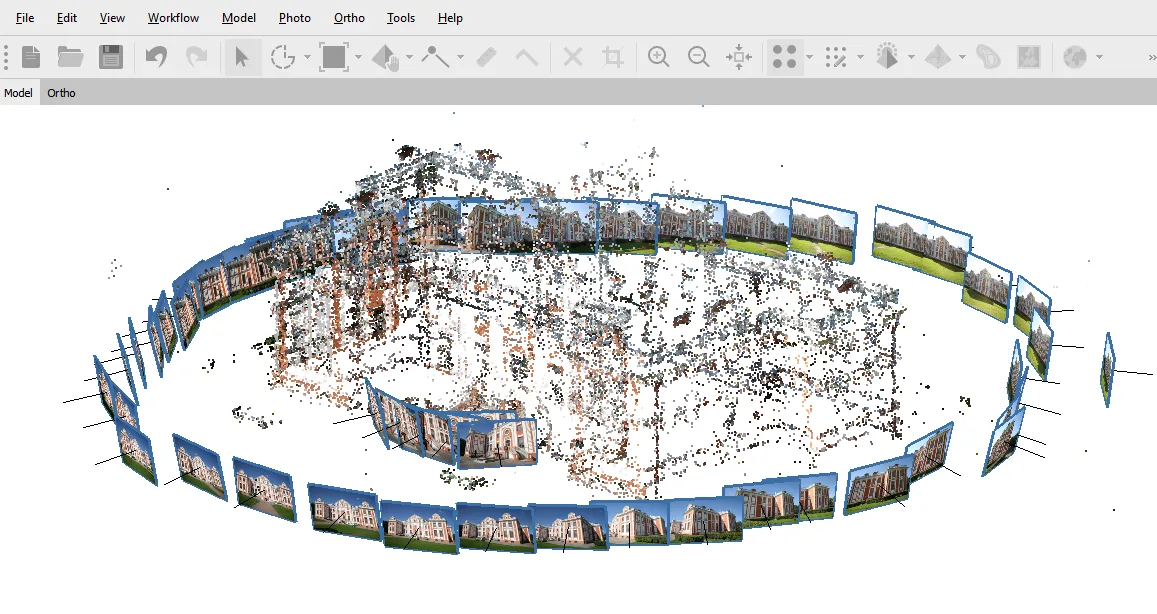
Photogrammetry reconstructs 3D geometry from many overlapping photos of the same subject taken from different angles. Software finds shared features between images, solves camera positions and builds a textured mesh from the result.
Not necessarily. A regular camera or a recent phone is enough for photogrammetry, and phones with LiDAR can capture rooms and objects directly. Dedicated structured light and laser scanners deliver higher accuracy for engineering and inspection work.
Scans are extremely dense, unevenly triangulated and often contain holes or noise. Production use normally requires cleanup, retopology and rebaking textures, which is why scanning tools pair naturally with the retopology category on this site.